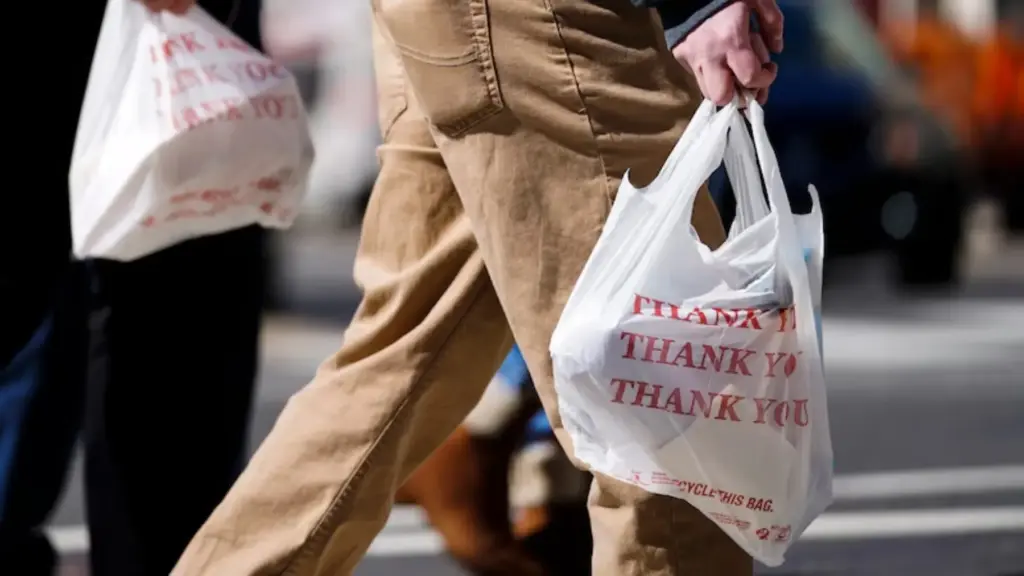
California will require most retail stores to eliminate plastic carry-out bags by January 1, 2026, under new California Sets 2026 Deadline to Remove Plastic Bags rules designed to reduce waste and cut plastic pollution statewide. The mandate, enforced by CalRecycle and local governments, permits fines of up to $5,000 per day for repeat violations.
Lawmakers say the measure closes loopholes from earlier bans, while retailers prepare for cost increases and major shifts in consumer behavior.
California Sets 2026 Deadline to Remove Plastic Bags
| Key Fact | Detail |
|---|---|
| Full plastic bag removal date | Jan. 1, 2026 |
| Maximum fines | Up to $5,000/day for repeat violations |
| Paper bag minimum fee | Minimum $0.10 per bag |
| Required recycled content | 50% post-consumer material by 2028 |
Understanding California’s New Plastic Bag Removal Mandate
California’s 2026 plastic bag deadline marks one of the most sweeping retail regulations in the country. The rule builds on a decade of legislation and public pressure to address plastic pollution, waste-management failures, and misleading “recyclable” labeling claims.
State legislators approved Senate Bill 1053 (SB 1053) in 2024 to eliminate plastic carry-out bags entirely at checkout counters in large retail and grocery stores. The law replaces earlier rules that banned thin single-use plastic bags but allowed thicker “reusable” plastic bags that consumers rarely reused, according to analysis cited during the bill’s debate.
Environmental scientists and state agencies argue that eliminating all checkout plastic bags is essential to reducing waste and curbing microplastic contamination in waterways, landfills, and marine ecosystems.
How the 2026 Ban Works
Retailers Covered Under the Law
The ban applies to:
- Full-line grocery stores
- Retail stores with pharmacies
- Convenience stores and food marts
- Large-format stores meeting gross-sales or square-footage requirements
Delivery services and curbside pickup programs are also included, meaning plastic bags cannot be used for online grocery orders after January 1, 2026.
Allowed Bag Types After January 1, 2026
Retailers may offer only:
- Recycled-paper bags (10-cent minimum fee)
- Durable reusable bags meeting strict material and durability criteria
- Certified compostable bags in specific cases
Paper bags must display the manufacturer name, recycled content percentage, and the bag’s country of origin.
Not Affected
Some bags remain exempt, including:
- Prescription medication bags
- Dry-cleaning garment bags
- Protective produce and bulk-food bags
Why California Is Making This Change
The Failure of “Reusable” Plastic Bags
According to research referenced during the 2024 legislative debate, thicker plastic bags that qualified as “reusable” were still frequently discarded after one use. Waste audits from several California counties showed these bags accumulating in landfills and recycling systems unequipped to process them.
Plastic Pollution Trends
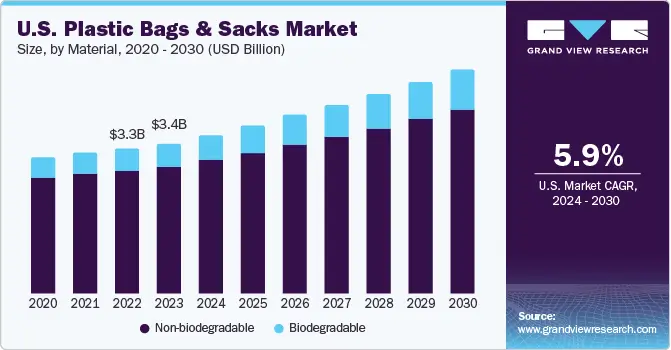
A statewide analysis found that plastic bag waste per person increased between 2014 and 2021, despite earlier bans intended to reduce usage. Marine clean-up groups, including Ocean Conservancy, reported that plastic bags remain among the top 10 most frequently collected items during coastal cleanups.
Recycling Mislabeling and Legal Settlements
In 2025, the California Attorney General announced legal settlements with four plastic bag manufacturers accused of falsely labeling plastic bags as recyclable. This enforcement action accelerated legislative momentum for a full removal of plastic bags from retail circulation.
Economic Implications for Retailers
Supply Chain Shifts
Retailers must renegotiate agreements with suppliers as they transition away from plastic bags. Paper bags cost significantly more to produce and transport, increasing operating costs for small and large retailers alike.
Training and Checkout Changes
Businesses must:
- Update point-of-sale systems
- Retrain employees
- Post new signage
- Manage fee collection and reporting
Retail associations warn that smaller stores may face higher financial pressure because they order bags in lower volumes.
Expert Analysis
Retail consultant Dr. Amelia Grant of California State University, Sacramento, explained:
“The plastic-to-paper shift will ripple across the supply chain. Stores must manage higher purchasing costs, customer education challenges, and new compliance burdens.”
What the Ban Means for Consumers
Consumers will no longer receive plastic bags at checkout and should expect:
- A mandatory 10-cent fee for paper bags
- Heavier emphasis on reusable bags
- More signage and checkout guidance
- Possible increased wait times during the transition period
Consumer Behavior Trends
Research from earlier local bag bans shows a notable increase in reusable bag use within six to twelve months. However, convenience remains a challenge, and some consumers report frustration during early transition phases.
Environmental Science Behind the Ban
Microplastic Risks
Marine biologists at the University of California, Santa Barbara, found that plastic bags break down into microplastics that contaminate soil, rivers, and coastal ecosystems. These particles have been detected in marine life, drinking water, and even human blood, according to peer-reviewed research.
Lifecycle Analysis
A paper bag requires more energy to produce but is biodegradable and less harmful when discarded. The state argues that increasing recycled content requirements will lower paper bag emissions over time.
How Enforcement Works — And When Fines Apply
Local Enforcement
Cities and counties will perform compliance inspections beginning January 2026. Violations fall under civil penalties that escalate quickly:
- First violation: up to $1,000/day
- Second violation: up to $2,000/day
- Subsequent violations: up to $5,000/day
Penalties can be issued by:
- Local governments
- CalRecycle
- The Attorney General’s office (for severe or fraudulent cases)
Officials say early enforcement will focus on education but warn that repeated violations will trigger maximum penalties.
Comparison to Global Bag Policies
California’s rules place the state among the strictest in the world.
- The European Union banned most single-use plastic bags in 2019.
- Canada implemented a nationwide plastics ban beginning in 2023.
- Several countries, including Kenya and Bangladesh, enforce some of the world’s toughest anti-plastic regulations, with penalties far stronger than California’s.
These comparisons underline a global movement toward eliminating plastic film bags.
Social and Environmental Justice Dimensions
Environmental-justice groups stress that plastic pollution disproportionately impacts low-income communities, where landfills and waste facilities are more commonly located. Eliminating plastic bags is one step toward reducing localized environmental harm.
However, these same communities may also face cost burdens from bag fees. Advocates emphasize the need for:
- Free or subsidized reusable bags
- Multilingual outreach campaigns
- Partnerships with community organizations
Related Links
New Social Security Proposal Targets High-Income Beneficiaries — Major COLA Cuts on the Table
Medicare Rates for 2026 Set to Surge — What Will Your New Monthly Cost Be?”
What Comes Next — Future Legislation
Experts anticipate additional measures in coming years, including:
- Stricter producer-responsibility standards
- Packaging reduction targets
- Mandatory recycling infrastructure investment
- Extended bans on other single-use plastics
California’s 2026 plastic bag removal may serve as a foundational step in a broader shift toward sustainable materials.
California’s plastic bag removal rule represents a major shift in how retailers and consumers navigate everyday checkout transactions. As the 2026 deadline approaches, regulators, businesses, and environmental groups will monitor how the transition unfolds and whether it delivers the measurable environmental benefits lawmakers expect.