In a historic decision, the U.S. government has officially ended the production of pennies, signaling the close of an era that has lasted for more than 230 years. This momentous shift comes as a response to rising minting costs, the decreasing usefulness of pennies in the modern economy, and the growing adoption of digital payments.
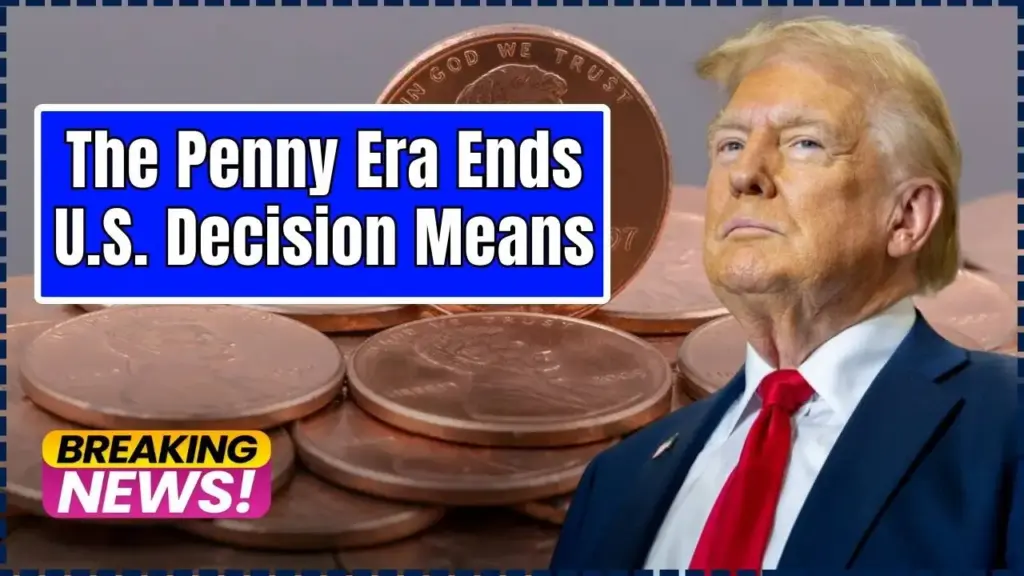
The penny, once an essential part of American currency, will now fade into history, and consumers, businesses, and policymakers alike are left to navigate what this change means for the future of cash transactions and the economy as a whole.
The End of the Penny — A Long-Anticipated Change
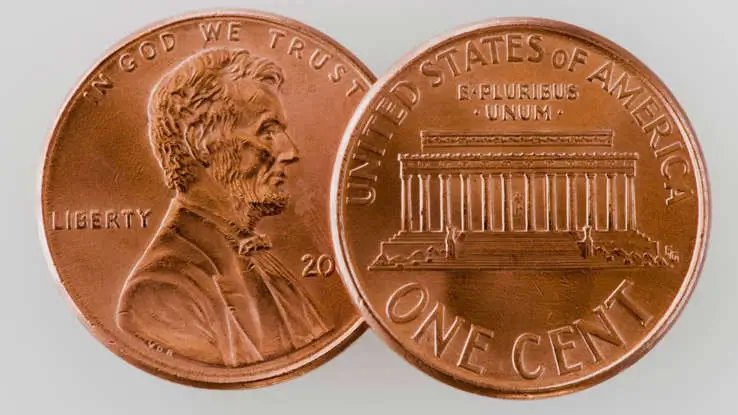
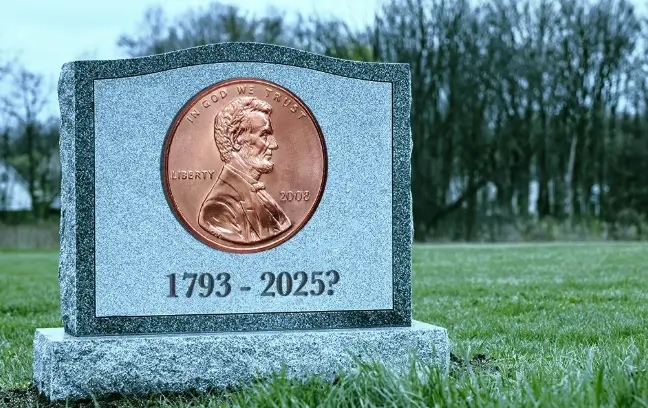
The penny, a one-cent coin, has been a fixture in the U.S. currency system since 1793. Originally valued for its role in small transactions and as a symbol of thriftiness, the penny has lost much of its utility in recent years. At present, it costs more than 2.5 cents to produce a single penny, making its continued minting unsustainable.
In response, the U.S. Treasury Department has decided to cease production of the penny, a move that will take effect after the final batch is struck in 2025. Despite this, existing pennies will remain legal tender, meaning they can still be used in transactions, but no new pennies will enter circulation.
For many, this decision represents a significant shift in how we handle money, signaling the end of an era for the small coin that has been a part of American life for centuries. The penny’s removal will have broader implications for the economy, consumer behavior, and the future of cash.
What the End of the Penny Means for Consumers and Retailers
Impact on Cash Transactions
The most immediate change for consumers will be the rounding of cash transactions. While digital payments will continue to process exact amounts, cash transactions will now be rounded to the nearest five cents. This means that if your total is $1.01, it will be rounded down to $1.00, while a total of $1.03 will be rounded up to $1.05.
Retailers across the country are already preparing for this change, and many have begun implementing rounding policies in anticipation of the official end of penny production. This shift is expected to simplify cash transactions, reduce the need for small coins, and make checkouts faster and more efficient.
While rounding will be standard practice, the impact on consumers’ wallets will likely be minimal, with small amounts of rounding typically balancing out over time.
Rounding: A Blessing or a Curse for Consumers?
The rounding system has raised some concerns, particularly among low-income consumers who tend to use cash more frequently. Critics of the policy worry that rounding could lead to a cumulative increase in costs, especially for people making small purchases.
If businesses tend to round up more frequently than down, this could disproportionately affect those who rely on exact change. However, economists suggest that the rounding effect will likely be minor. Studies from other countries where rounding has been implemented have shown that the financial impact is negligible for most consumers.
The change is expected to have a minimal effect on everyday spending, with any rounding “tax” being spread across thousands of transactions.
A Shift Toward Cashless Transactions
The discontinuation of the penny further accelerates the U.S.’s shift toward a cashless economy. In recent years, cash usage has declined steadily as digital payments, such as credit/debit cards, mobile wallets, and contactless payments, have become the preferred method of transaction.
This trend was further amplified by the COVID-19 pandemic, which led many consumers to adopt digital payment methods for hygiene and convenience reasons. As the penny becomes less relevant, consumers are increasingly turning to digital payments for greater convenience and security.
According to the Federal Reserve, digital payments now account for more than 50% of all transactions in the U.S., with this figure expected to rise in the coming years. For those who have embraced this shift, the end of the penny is simply another step in the transition to a more streamlined and efficient payment system.
The Economic and Environmental Implications of Ending the Penny
Savings for the U.S. Treasury
One of the driving factors behind the decision to discontinue the penny is the significant cost to the U.S. Treasury. The U.S. Mint currently spends more than $90 million annually to produce pennies, despite their face value being only one cent. The production of these coins results in a significant financial loss for the government, with each penny costing approximately 2.5 cents to manufacture.
By halting penny production, the U.S. Treasury is expected to save tens of millions of dollars each year. This cost-saving measure will free up funds that could be allocated to other public services and initiatives. Additionally, the reduction in penny production is part of a broader effort to make U.S. currency more efficient and sustainable, reflecting the changing needs of the economy.
Environmental Impact of Coin Production
The environmental footprint of penny production is another consideration in this decision. The Mint’s process for manufacturing coins requires the use of valuable resources, including copper, zinc, and energy-intensive minting machinery.
By discontinuing the penny, the U.S. government is reducing the environmental impact associated with coin production. While the penny is not the only coin produced by the U.S. Mint, it has long been seen as one of the least efficient in terms of both cost and environmental impact.
Cultural and Social Reactions to the End of the Penny
The Penny’s Cultural Significance
For many Americans, the penny has a certain cultural and sentimental value. It has been part of everyday life for generations, from its role in children’s piggy banks to its presence in charity donation jars. The penny also carries symbolic weight, representing thrift, hard work, and the value of small amounts.
Despite this, public opinion on the penny’s discontinuation has been largely positive. Surveys conducted in recent years show that most Americans support the idea of eliminating the penny, citing its low utility in daily transactions and the costs associated with its production.
The penny’s cultural significance is not enough to outweigh its economic inefficiency, and most people are ready to embrace a more modern, streamlined currency system.
Looking Ahead: What Comes After the Penny?
The Future of Cash and Coins
While the penny’s retirement marks the end of one era, it also raises questions about the future of other coins and cash in general. As the U.S. moves further into the digital age, it is possible that other low-denomination coins, such as the nickel and dime, could face similar scrutiny in the coming years.
In some countries, coins are already being phased out in favor of electronic payments, and the U.S. may follow suit in the future. However, for the time being, physical cash remains an essential part of the U.S. economy, especially for certain demographic groups.
The transition to a cashless society will likely be gradual, with digital payments continuing to coexist with traditional currency for the foreseeable future.
The Cashless Society: Pros and Cons
The end of the penny reflects a broader shift toward a cashless society, where digital payments dominate. While this transition brings convenience, security, and efficiency, it also raises concerns about accessibility for those who rely on cash, particularly low-income individuals and older adults.
As the U.S. continues to move toward digital payments, it will be important to ensure that no one is left behind in this transition.
Related Links
DMV Update: New Requirements May Affect Older California Drivers’ License Renewals
New York Lawmakers Consider Raising Highway Speed Limit to 70 mph — Bill Now in the Senate
The End of an Era and the Start of a New One
The decision to end the production of pennies is a significant milestone in the evolution of U.S. currency. While the penny will remain in circulation for now, its discontinuation reflects the changing nature of how Americans pay for goods and services.
For consumers and businesses, the end of the penny represents a shift toward more efficient and modern payment methods, with the rounding of cash transactions and the continued rise of digital payments.
As the U.S. moves further into the digital age, the penny’s retirement is just one step in a broader transformation of the financial landscape. Whether you’re a fan of tradition or ready to embrace the future of money, the end of the penny marks the start of a new chapter in American commerce.