Millions of California households rely on the CalFresh EBT Guide each month to understand what benefits cover, how purchasing rules work, and when payments will be deposited. As rising food costs continue to pressure families, clarity around benefits and schedules has become increasingly important.

According to the California Department of Social Services (CDSS), CalFresh remains the state’s largest nutrition assistance program, providing monthly support to low-income residents who need help buying groceries.
CalFresh EBT Guide
| Key Fact | Detail |
|---|---|
| CalFresh deposit dates | Based on last digit of case number, issued monthly |
| Eligible food items | Fruits, vegetables, grains, dairy, meat, packaged foods |
| Ineligible items | Alcohol, tobacco, vitamins, prepared hot food |
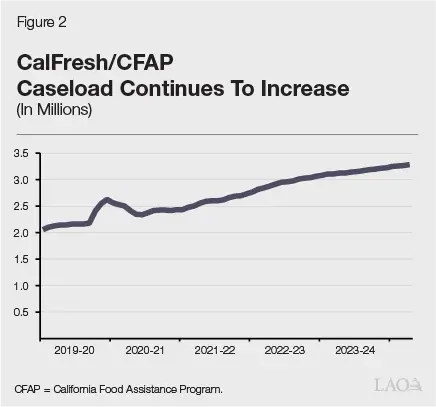
| Program size | ~5.3 million Californians receive monthly benefits |
| Average monthly benefit | Approximately $180 per person (varies by household) |
Understanding How the CalFresh EBT Program Works
The CalFresh EBT Guide is rooted in federal Supplemental Nutrition Assistance Program (SNAP) rules, which allow states to administer benefits with some flexibility. In California, the CalFresh system is managed by the California Department of Social Services and county welfare departments, which determine eligibility and distribute benefits electronically through the state’s EBT (Electronic Benefit Transfer) card system.
CalFresh provides monthly funds to help people buy food for home preparation. Benefits are deposited automatically, and recipients can spend those funds at authorized retailers, including major supermarket chains, farmers’ markets, and some online grocery services.
What You Can Buy with CalFresh EBT Benefits
CalFresh benefits can be used for a wide selection of grocery items designed to support balanced nutrition. According to the U.S. Department of Agriculture (USDA), CalFresh funds can be used for:
1. Fruits and Vegetables
Fresh, canned, dried, and frozen fruits and vegetables are fully eligible. This category includes produce such as apples, spinach, bananas, carrots, tomatoes, and potatoes.
2. Meat, Poultry, and Fish
CalFresh covers all forms of animal protein, including chicken, beef, pork, turkey, and seafood. Processed meats like canned tuna and cold cuts are also eligible.
3. Dairy Products
Milk, yogurt, cheese, butter, and plant-based alternatives such as soy milk are permitted.
4. Bread, Grains, and Cereals
Rice, pasta, tortillas, cereal, oatmeal, and other grain products can be purchased.
5. Snack Foods and Packaged Goods
Crackers, chips, nuts, dried fruit, and other packaged foods are eligible.
6. Non-alcoholic Beverages
Bottled water, juice, coffee, tea, and similar items are allowed, as long as they do not contain alcohol.
7. Seeds and Plants for Growing Food
CalFresh recipients may also buy food-producing seeds and starter plants, an option often overlooked by households trying to lower grocery costs.
Items You Cannot Purchase with CalFresh EBT
CalFresh follows federal restrictions on what is not allowed. These rules are designed to ensure that monthly benefits support nutrition and essential food needs.
The following items cannot be purchased with CalFresh:
- Alcoholic beverages
- Tobacco products
- Hot, prepared foods sold for immediate consumption
- Vitamins and nutritional supplements with a “Supplement Facts” label
- Non-food items such as cleaning supplies, toiletries, or paper goods
- Pet food
- Medication or pharmaceuticals
The restriction on hot foods is one of the most commonly misunderstood rules. For example, heated meals from grocery store delis, rotisserie chickens, and hot buffet items are ineligible. Cold prepared foods, however, generally qualify as long as they are not sold hot.
Understanding This Month’s CalFresh Deposit Schedule
CalFresh payments follow a predictable monthly schedule based on the last digit of the recipient’s case number. Deposits are made between the 1st and 10th of each month, and benefits are added automatically to the EBT card.
Below is the standard schedule used statewide:
| Case Number Ending In | Deposit Date |
|---|---|
| 1 | 1st of the month |
| 2 | 2nd of the month |
| 3 | 3rd of the month |
| 4 | 4th of the month |
| 5 | 5th of the month |
| 6 | 6th of the month |
| 7 | 7th of the month |
| 8 | 8th of the month |
| 9 | 9th of the month |
| 0 | 10th of the month |
Counties do not alter this schedule, and deposits occur even if the date falls on a weekend or holiday. According to CDSS, delays are extremely rare, and most payment issues are related to case renewal deadlines or documentation requirements—rather than systemwide disruptions.
Why Some Households Believe Their CalFresh EBT Benefits Are Delayed
Although CalFresh deposits are automated, several common factors can create the appearance of a delay:
1. Missed Recertification Deadlines
CalFresh cases must be renewed periodically. Missing paperwork is the top reason for interrupted benefits, according to county welfare agencies.
2. Income Collection or Employment Reporting Issues
If reported income changes or required documentation is incomplete, benefits may be temporarily paused.
3. System Overload on Payment Days
Some EBT users report slow transaction approvals on peak deposit days due to high system traffic.
4. Bank or Retailer Processing Lag
Point-of-sale delays can occur at individual retailers even when benefits have already been deposited.
CDSS recommends checking the EBT card balance through the official EBT website or mobile app, which updates more reliably than store receipts.
How CalFresh Works with Farmers’ Markets and Double-Up Programs
An important but often overlooked feature of CalFresh is its ability to support local agriculture. Many California farmers’ markets participate in the Market Match or Double-Up Food Bucks program, which provides dollar-for-dollar matching on produce purchases using CalFresh benefits.
For example, a household that spends $10 in CalFresh benefits at a participating farmers’ market may receive an additional $10 to spend on fresh fruits and vegetables.
This initiative aims to:
- Improve nutrition
- Increase access to fresh foods
- Support local growers and small businesses
Participation varies by county, and markets typically display signage to indicate whether they offer matching programs.
CalFresh Online Purchases and Delivery Options
In recent years, CalFresh has expanded dramatically in its online purchasing capabilities. Major retailers approved for online EBT transactions include:
- Amazon
- Walmart
- Safeway
- ALDI
- Vons
- Stater Bros.
- Albertsons
- Raley’s / Bel Air / Nob Hill Foods
However, delivery fees and tips cannot be paid with CalFresh benefits and must be covered using another form of payment.
USDA officials say expanding online acceptance helps ensure access to nutritious food for people with disabilities, low-income families in food deserts, and those without reliable transportation.
Expert Perspectives on CalFresh’s Role in California’s Food Security
CalFresh plays a major role in combating food insecurity across California. According to USDA Food and Nutrition Service data, more than 5 million residents receive benefits each month, making CalFresh the largest SNAP program in the country.
A University of California food policy researcher notes: “CalFresh is one of the most effective anti-hunger tools available, especially during periods of high inflation. Increased participation directly reduces the rate of food insecurity among working families.”
County administrators also point out that CalFresh provides economic benefits to entire communities. Research from CDSS suggests that every $1 distributed through CalFresh generates about $1.70 in local economic activity, as households spend benefits at grocery stores, markets, and food retailers.

Common Myths About What CalFresh Covers
Despite clear federal guidelines, many recipients remain uncertain about rules, especially when stores sell items that appear similar but fall into different categories.
Myth 1: “You can’t buy cold prepared foods.”
False. CalFresh prohibits hot foods but allows cold deli sandwiches, salads, and similar items.
Myth 2: “You can’t use CalFresh at big retailers.”
False. Most national grocery chains accept EBT.
Myth 3: “CalFresh works like cash and can buy anything.”
False. Benefits can only buy eligible food items.
Myth 4: “Benefits expire at the end of the month.”
False. Benefits roll over for up to 12 months before expiring.
CDSS encourages households with questions to contact their local county office to avoid misinformation.
Related Links
Texas SNAP Benefits for December: Updated Deposit Dates Now Available
$2,000 Stimulus Proposal Reviewed: Check Expected Payment Dates and Eligibility Criteria
How Households Can Maximize Their Monthly Benefits
Nutrition experts recommend several strategies to stretch CalFresh benefits further:
- Buy store-brand versions of common items
- Use weekly grocery store specials
- Purchase frozen produce when fresh prices spike
- Plan meals ahead of time
- Use Market Match at farmers’ markets
- Avoid convenience stores, which often have higher prices
These methods can help households maintain balanced diets even during periods of high inflation.
As food costs continue rising across the state, the CalFresh EBT Guide remains an essential tool for understanding how benefits work and when households can expect monthly payments. While rules and schedules remain stable, ongoing efforts to modernize online shopping, expand market incentives, and strengthen outreach aim to improve food access for millions of Californians in the months ahead.