California has begun issuing December CalFresh payments on schedule, but a major policy shift affecting CalFresh December Payments eligibility—specifically for Able-Bodied Adults Without Dependents (ABAWDs)—could change who qualifies for benefits in the months ahead.

The rule change follows new federal legislation and may limit how long some adults can receive food assistance without meeting work or training requirements.
CalFresh December Payments
| Key Issue | What’s Changing | Why It Matters |
|---|---|---|
| December Payments | Issued as normal, early December | No immediate interruption |
| ABAWD Age Range | Expanded to 18–64 | More adults affected |
| Time Limit | 3 months in 36 months | Benefits can stop |
| Work Requirement | 80 hours/month | Mandatory to continue aid |
| California Waivers | Limited counties only | Unequal regional impact |
For now, December CalFresh payments remain intact. But the return of ABAWD work rules under CalFresh December Payments marks a significant shift that could reshape food assistance access for thousands of Californians. Understanding eligibility, exemptions, and compliance options will be critical as the policy takes full effect.
What Is Changing in CalFresh December Payments Eligibility Criteria
The change centers on the federal ABAWD rule, a long-standing provision of the Supplemental Nutrition Assistance Program (SNAP), known in California as CalFresh. ABAWDs are adults who do not have dependent children and are considered physically and mentally able to work.
Under federal law, these individuals may receive CalFresh benefits for only three months within a 36-month period unless they meet specific participation requirements. Those requirements include working, volunteering, or participating in approved job training for at least 80 hours per month.
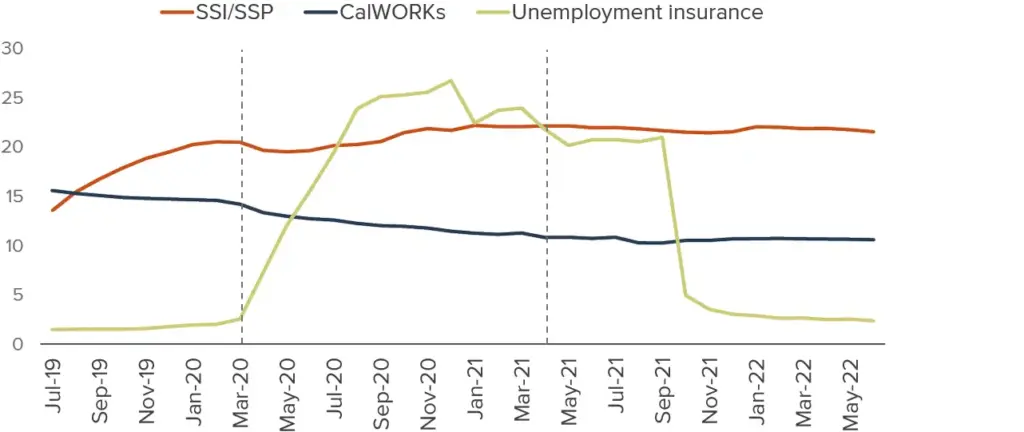
During the pandemic and economic recovery, California and many other states operated under broad federal waivers that suspended these limits. Those waivers are now largely ending.
Why the Rule Is Returning Now
The reinstatement follows the passage of the One Big Beautiful Bill Act of 2025 (H.R. 1), signed into law in July. The legislation expanded the ABAWD age range and narrowed exemptions, directing states to resume enforcement unless specific local conditions justify a waiver.
Federal officials say the move is intended to align nutrition assistance with workforce participation as unemployment remains historically low. Labor economists note that the timing reflects broader federal efforts to reduce long-term dependency on safety-net programs while encouraging labor market reentry, particularly among prime-age adults.
Who Counts as an ABAWD Under the New Rule
To be classified as an ABAWD, an individual must generally meet all of the following:
- Be 18 to 64 years old
- Have no dependent child under age 14
- Not be pregnant
- Not qualify as disabled or medically unfit for work
- Not be exempt under a county waiver
This expanded age threshold is one of the most consequential changes. Previously, the upper age limit was lower, excluding many adults in their early 60s.
December CalFresh Payments: What Is Not Changing
December benefits are being issued normally, based on each household’s case number. No across-the-board reductions or suspensions are occurring this month.
Officials emphasize that eligibility reviews tied to the ABAWD rule do not automatically stop December payments. Instead, the change affects future eligibility once an individual reaches the three-month limit without compliance.
How the Work Requirement Works in Practice
To maintain benefits beyond the time limit, an ABAWD must meet one of the following each month:
- Work at least 80 hours
- Volunteer or perform community service for 80 hours
- Participate in approved workforce training or education
- Combine activities to reach the 80-hour total
Failure to meet the requirement does not permanently disqualify someone, but it triggers a loss of benefits until compliance resumes.
Exemptions That Still Apply
Several exemptions remain in place, even under the tightened rules:
- Individuals with verified physical or mental health limitations
- People experiencing pregnancy
- Caregivers for incapacitated household members
- Students enrolled at least half-time in approved programs
- Residents of counties with active federal waivers
California currently holds waivers for Colusa, Imperial, and Tulare counties, valid through October 2026.
State vs. Federal Authority: Why County Location Matters
While CalFresh is administered by California, the ABAWD rule is federal. This means the state can request waivers, but approval depends on labor market data and federal review.
As a result, two households with identical circumstances may face different rules depending solely on their county—a disparity that advocates say raises equity concerns.
Who Is Most Likely to Be Affected by CalFresh December Payments
Policy analysts identify several groups at heightened risk:
- Adults aged 50–64, who may face age discrimination in hiring
- People experiencing intermittent homelessness
- Rural residents with limited access to qualifying jobs or training
- Individuals cycling between short-term work and unemployment
Food policy researchers warn that these populations often face structural barriers that work requirements alone do not address.
What Experts and Advocates Are Saying
Public officials stress that the rule is about engagement, not punishment. State agencies say they are prioritizing outreach and compliance assistance.
Anti-hunger organizations, however, argue that work requirements historically reduce participation without significantly increasing employment, particularly during periods of economic transition. Both sides agree on one point: clear communication will determine whether eligible individuals lose benefits unnecessarily.
What CalFresh Recipients Should Do Now
Compliance Checklist
- Read all county notices carefully
- Confirm whether you are classified as an ABAWD
- Ask about exemptions before assuming ineligibility
- Track work, training, or volunteer hours monthly
- Update contact and employment information promptly
County social services offices are required to provide screening and referral support.

Related Links
2026 Social Security Increase Preview: What Your New Monthly Benefit Could Look Like
December 17 Social Security Deposit: Check Who Receives Up to $4,018 This Week
Looking Ahead
State officials expect further guidance from the U.S. Department of Agriculture in early 2026, which could clarify enforcement timelines and waiver extensions. Until then, counties will continue phased implementation and outreach.
FAQs About CalFresh December Payments
Will my December benefits be reduced?
No. December payments are being issued normally.
Does this affect families with children?
No. The ABAWD rule applies only to adults without dependent children.
If I lose benefits, can I reapply?
Yes. Benefits can resume once work or training requirements are met.
Does part-time work count?
Yes, as long as total hours reach 80 per month.