DoorDash has expanded its grocery delivery program for households using the Supplemental Nutrition Assistance Program (SNAP), adding new grocery retailers that accept Electronic Benefit Transfer (EBT) payments for online orders.
The expansion significantly broadens access to grocery delivery for low-income Americans, particularly those facing transportation barriers, physical limitations, or limited retail options in their communities.
New Grocery Options for SNAP Households
| Category | Detail |
|---|---|
| SNAP participants | Over 40 million Americans |
| DoorDash SNAP stores | 50,000+ nationwide |
| Payment method | SNAP/EBT for eligible groceries |
| Oversight authority | USDA Food and Nutrition Service |
| Non-covered costs | Delivery fees, tips, prepared foods |
The move reflects a broader national shift toward digitizing public assistance programs while raising questions about affordability, oversight, and the long-term role of private platforms in delivering government benefits.
Why the Expansion Matters Now
SNAP remains the nation’s largest nutrition assistance program, serving more than 40 million people each month. While benefits are federally funded, access depends heavily on local infrastructure—stores, transportation, and time.
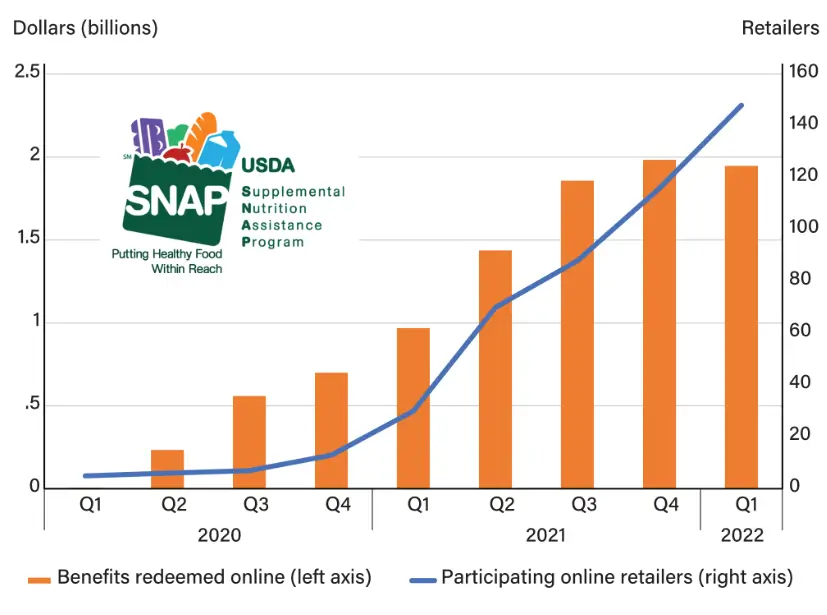
Online grocery purchasing, once unavailable to SNAP households, has grown rapidly since federal rules were loosened during the COVID-19 pandemic. What began as a temporary emergency measure has since become permanent, reshaping how low-income households access food.
DoorDash’s expansion builds on that change by increasing the number of grocery partners where SNAP benefits can be used for delivery or pickup.
DoorDash Adds New Grocery Options for SNAP Households
With the latest update, DoorDash now supports SNAP/EBT payments at more than 50,000 grocery stores nationwide, including a mix of national chains and regional retailers. According to the company, over 90 percent of SNAP households now live within range of at least one participating store on the platform.
SNAP benefits may only be used for eligible grocery items. Delivery fees, tips, prepared foods, alcohol, and non-food items must be paid separately, consistent with U.S. Department of Agriculture (USDA) regulations.
How SNAP Online Grocery Purchasing Works
To use SNAP on DoorDash, households must upload their EBT card information into the app or website. Eligible grocery items are clearly marked during checkout.
If a cart includes both eligible and non-eligible items, the SNAP portion is deducted first, and remaining charges are paid using another method. This split-payment system is mandated under federal rules to prevent misuse.
Orders may be placed for:
- Home delivery
- Curbside pickup
depending on retailer capabilities.
State-by-State Differences Still Matter
Although SNAP is federally funded, states administer the program, and differences remain in retailer participation, rural coverage, and consumer education. Some states have a high concentration of participating stores, while others—particularly rural regions—still rely on a limited number of approved retailers.
DoorDash’s ability to onboard regional grocery chains helps close some of these gaps, though coverage remains uneven. USDA officials emphasize that online access supplements, rather than replaces, in-store shopping.
Retailers: Why Grocers Are Joining
For grocery stores, SNAP acceptance through DoorDash offers:
- Expanded customer reach
- Reduced need for in-house delivery systems
- Access to underserved markets
Regional grocers, in particular, benefit from DoorDash’s logistics network, which allows participation without building costly delivery infrastructure. However, retailers must comply with strict SNAP item eligibility rules and auditing requirements.
Industry analysts note that participation may also help stabilize revenue during periods of fluctuating consumer spending.
Impact on Food Access and Nutrition
DoorDash and independent researchers report that online SNAP grocery access may improve food consistency and planning for some households.
Reported outcomes include:
- Fewer missed meals late in the benefit cycle
- Increased purchase of staple foods
- Reduced reliance on convenience stores
- Lower stress around transportation and scheduling
Public health experts caution that online access alone does not guarantee healthier diets, but agree it can remove structural barriers that limit food choice.
Labor Considerations: The Delivery Workforce
The expansion also affects DoorDash’s delivery workforce. While SNAP benefits cover groceries, drivers are paid through standard delivery compensation models.
Labor advocates emphasize:
- SNAP orders are subject to the same pay structures as other deliveries
- Tips are not covered by SNAP and remain optional
- Transparency in delivery pricing remains important
DoorDash says it continues to evaluate driver compensation and order efficiency, though labor policy remains a separate debate.
Data Privacy and Benefit Security
Handling public benefits digitally raises concerns about data protection. SNAP transactions on DoorDash are subject to:
- USDA compliance standards
- Payment encryption
- Retailer audits
- Fraud-detection monitoring
DoorDash does not control benefit eligibility or balances, which remain managed by state agencies. Security experts stress that no system is risk-free but note that federal oversight provides additional safeguards.
Criticism and Ongoing Concerns
Despite broader access, critics highlight several unresolved issues:
Delivery Fees
Even when groceries are covered, delivery costs may deter use.
Digital Divide
Households without smartphones or stable internet may not benefit equally.
Price Transparency
Online prices can differ from in-store pricing, affecting purchasing power.
Choice Limitations
Some SNAP-eligible households may still lack nearby participating retailers. Advocates argue that expanding access must go hand-in-hand with affordability and education efforts.
Historical Context: From Paper Coupons to Apps
SNAP began as a paper coupon program and evolved into electronic benefit cards in the 1990s. Online purchasing represents the most significant modernization in decades. Policy analysts compare the shift to online tax filing or digital unemployment benefits—an efficiency gain that requires careful oversight to protect vulnerable users.
How Success Will Be Measured
Government agencies and researchers track:
- Participation rates
- Benefit utilization patterns
- Food security indicators
- Fraud prevention metrics
USDA evaluations will help determine whether online SNAP purchasing improves outcomes or requires regulatory adjustments.
What Comes Next
DoorDash says it plans to:
- Add more regional grocery partners
- Improve SNAP-eligible item labeling
- Expand pickup options
- Explore partnerships with food access organizations
Policymakers are expected to continue reviewing how private platforms intersect with public benefits, especially as digital access becomes the norm.
Related Links
Up to $25,000 in Bonuses Announced — Who May Be Eligible? Check Details
Capital One Lawsuit — Customers Say Cashback Rewards Were Never Paid
The expansion of SNAP-eligible grocery options on DoorDash reflects a broader transformation in how food assistance reaches American households. While it does not solve food insecurity on its own, it removes practical barriers for millions who struggle with access.
As digital tools increasingly intersect with public benefit systems, the challenge ahead will be balancing convenience, equity, affordability, and accountability—without losing sight of SNAP’s core mission: ensuring consistent access to food for those who need it most.
FAQs About DoorDash Adds New Grocery Options
Can SNAP be used for restaurant meals on DoorDash?
Only in states with approved Restaurant Meals Programs.
Are delivery fees ever covered?
No. SNAP benefits cannot pay for fees or tips.
Is participation mandatory?
No. Online ordering is optional.
Does DoorDash determine eligibility?
No. Eligibility remains with state SNAP agencies.