Starting February 15, 2026, Oklahoma will implement a significant change to how Supplemental Nutrition Assistance Program benefits can be used.
Under a federally approved waiver, the Oklahoma SNAP rule change will restrict the purchase of candy and sugary soft drinks with SNAP funds, marking one of the most consequential state-level experiments in nutrition policy in recent decades.
Oklahoma SNAP Rule Change
| Area | Details |
|---|---|
| Effective date | February 15, 2026 |
| Restricted items | Candy, sugary soft drinks |
| Program type | USDA-approved pilot waiver |
| Duration | Two years |
| Benefit amounts | No change |
| Eligibility | No change |
What the Oklahoma SNAP Rule Change Does
The new rule prevents SNAP benefits from being used to purchase products classified as candy or soft drinks, including most sodas, energy drinks, sweetened teas, and flavored beverages with added sugar. The restriction applies only to SNAP funds; recipients may still purchase restricted items using cash, debit, or credit cards.
All other SNAP rules remain unchanged. Benefit levels, income thresholds, work requirements, and eligibility standards are unaffected. State officials describe the policy as a narrow adjustment, not a restructuring of the program.
Why Oklahoma Is Implementing the Change
Oklahoma consistently ranks among the states with the highest rates of obesity, Type 2 diabetes, and cardiovascular disease. Public health data show that sugar-sweetened beverages are a major contributor to excess calorie intake, particularly in low-income populations.
Supporters argue that SNAP, which is designed to support nutrition—not merely calorie consumption—should better reflect federal dietary guidelines that discourage added sugars. The state has framed the rule change as a public health intervention, not a cost-saving measure.
How Federal Law Allows the Restriction
SNAP is governed federally by the U.S. Department of Agriculture (USDA), which generally prohibits states from restricting specific foods. However, federal law permits demonstration waivers that allow states to test alternative approaches under strict oversight.
Oklahoma received approval for a two-year pilot waiver, requiring the state to:
- Track purchasing behavior
- Measure administrative costs
- Monitor food access outcomes
- Report unintended consequences
The USDA retains authority to terminate the waiver if it causes harm or fails to meet evaluation standards.
What Foods Are Still Allowed
Despite the restrictions, SNAP benefits in Oklahoma may still be used for a broad range of items, including:
- Fresh, frozen, and canned fruits and vegetables
- Meat, poultry, seafood, and eggs
- Dairy products
- Bread, rice, cereal, and pasta
- Coffee, unsweetened tea, and bottled water
- 100% fruit or vegetable juice
The policy targets added sugar, not overall calories or fat content.
How the Change Will Work at Checkout
Retailers participating in SNAP must update point-of-sale systems so restricted items are automatically blocked from SNAP payment. The system functions similarly to existing restrictions on alcohol and tobacco.
If a transaction includes both eligible and restricted items:
- SNAP funds will apply only to eligible items
- Remaining items must be paid for separately
State agencies are coordinating with retailers to ensure consistent implementation.
Impact on SNAP Households
For recipients, the most immediate effect will be reduced flexibility at checkout. Supporters argue the inconvenience is minimal, while critics warn that restrictions may feel punitive or stigmatizing.
Households in food deserts—where fresh food options are limited—could face greater challenges. In some rural or low-income areas, convenience stores dominate food retail, and sugary beverages are among the most accessible products. State officials acknowledge these disparities and say they will monitor geographic impacts closely.
Economic Impact on Retailers
Large grocery chains are expected to adapt easily, but smaller retailers may face higher compliance costs. Updating systems, retraining staff, and resolving checkout disputes all carry operational expenses.
Retail industry groups have expressed concern that uneven implementation could lead to customer frustration or lost sales, though SNAP purchases represent a relatively small share of overall grocery revenue.
Evidence From Nutrition Research
Research on food-purchase restrictions shows mixed results. Some studies suggest that limiting sugary beverage purchases can reduce consumption, while others indicate substitution effects, where consumers buy restricted items with non-SNAP funds.
Experts emphasize that restrictions alone rarely change diets unless paired with:
- Nutrition education
- Affordable access to healthy foods
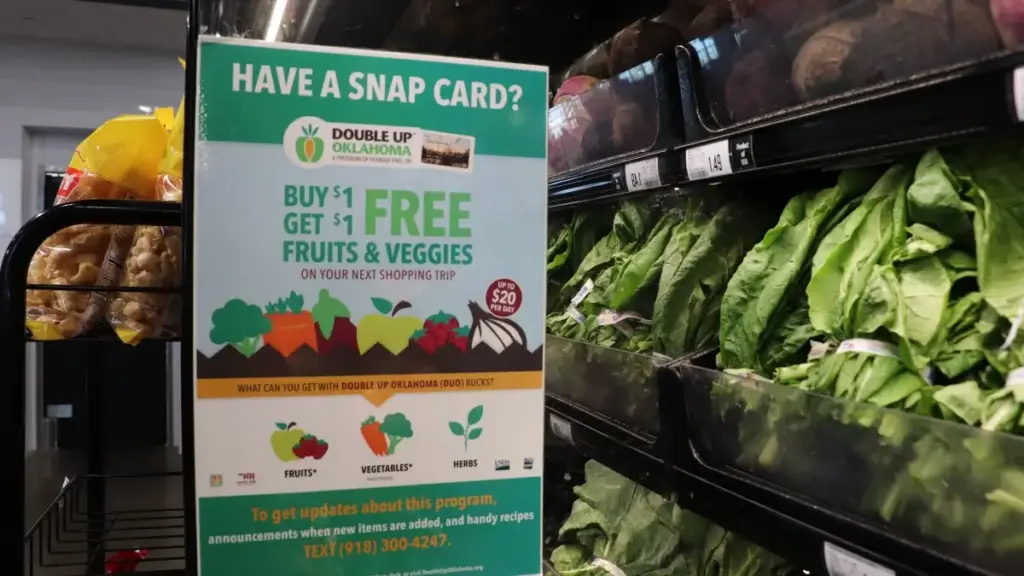
- Incentives for fruits and vegetables
Oklahoma’s waiver does not currently include financial incentives, though officials have not ruled them out in the future.
Equity, Autonomy, and Stigma Concerns
Critics argue that SNAP restrictions apply only to low-income households, raising ethical questions about autonomy and fairness. Higher-income individuals face no such limits, even though diet-related disease affects all demographics.
Advocacy groups warn that restrictions may reinforce stereotypes about SNAP recipients and divert attention from broader structural issues such as poverty, housing instability, and food pricing.
How Oklahoma Compares Nationally
Oklahoma joins a growing list of states seeking greater flexibility in SNAP policy. Several states have received or requested similar waivers, though none have yet made such restrictions permanent.
Federal officials are watching these experiments closely as Congress debates the future of SNAP amid rising food costs and public health spending.
Implementation Timeline
- Mid-2025: Retailer system updates begin
- Late 2025: Public outreach and SNAP recipient education
- February 15, 2026: Restrictions take effect statewide
- 2026–2028: Data collection and evaluation
- Post-2028: USDA decision on extension or termination
What Happens After the Pilot Ends
At the conclusion of the two-year period, the USDA will assess whether the policy:
- Improved nutritional outcomes
- Reduced sugar consumption
- Increased hardship or confusion
- Raised administrative costs
The waiver may be extended, revised, or allowed to expire. Findings could influence future federal SNAP legislation.
Related Links
Who Needs to File Taxes for 2025? The Income Thresholds Made Simple
Why Experts Say 2026 Could Reshape Retirement Planning – Check Details
Broader Implications for SNAP Policy
The Oklahoma SNAP rule change reflects a national debate over whether food assistance programs should prioritize choice or health outcomes. As healthcare costs rise and food prices remain volatile, policymakers face pressure to reconcile nutritional goals with economic realities.
The outcome in Oklahoma may shape how states—and Congress—approach SNAP reform in the coming decade.
Oklahoma’s decision represents a cautious but consequential test of nutrition-focused SNAP reform. Whether it succeeds will depend on access to healthy food, effective communication, and careful evaluation of real-world impacts on families. The results are likely to resonate far beyond Oklahoma’s borders.