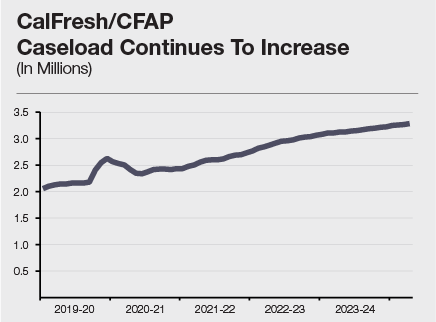
California’s CalFresh program, which provides monthly food assistance to more than five million residents, will undergo its most significant changes in over a decade in 2026. The overhaul, known collectively as CalFresh in 2026, expands federal work requirements, reinstates time limits for some adults, and narrows eligibility for certain immigrant groups, according to state and federal officials.
Big Changes for CalFresh in 2026
| Key Fact | Detail |
|---|---|
| Expanded work rules | Adults aged 18–64 must meet work requirements |
| Time limits return | Three-month benefit cap over three years for non-compliance |
| Immigrant eligibility | Some lawfully present groups lose eligibility |
What Is Changing Under CalFresh in 2026
Expanded Work Requirements
Beginning June 1, 2026, CalFresh will fully adopt broader federal SNAP work requirements, aligning California with nationwide policy changes governing the Supplemental Nutrition Assistance Program.
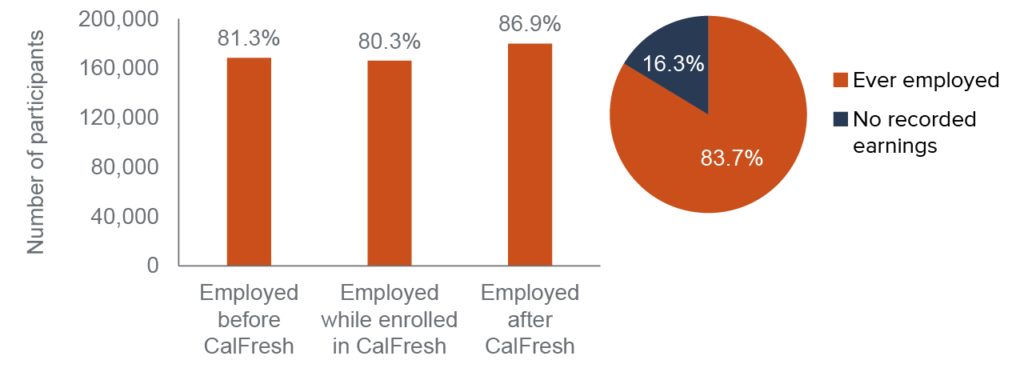
Under CalFresh in 2026, adults between the ages of 18 and 64 who do not qualify for an exemption must work, volunteer, or participate in an approved education or job-training program for at least 80 hours per month to remain eligible for food benefits.
Previously, California had used federal waivers and state-level flexibility to shield many recipients from work rules. Individuals experiencing homelessness, veterans, and parents of older children were often exempt. Several of those exemptions will be narrowed or eliminated.
“This represents a substantial shift in who must meet ongoing participation standards,” said a senior state official involved in program implementation, speaking on background because county guidance is still being finalized.
Supporters of the change argue that linking benefits to work-related activity promotes economic self-sufficiency. Critics counter that the requirement does not account for unstable labor markets, caregiving responsibilities, or barriers such as transportation and health conditions.
The Return of Time Limits
Another major component of CalFresh in 2026 is the reinstatement of strict time limits for certain recipients.
Adults who do not meet work requirements and do not qualify for an exemption will be limited to receiving CalFresh benefits for only three months within a 36-month period. After that, benefits will stop unless the individual later complies or becomes exempt.
Time limits were suspended or waived for much of the past decade, particularly during economic downturns and the COVID-19 pandemic. State analysts warn that their return could significantly reduce participation among adults facing irregular employment.
Research from the California Budget & Policy Center indicates that similar policies in the past led to benefit loss without measurable increases in long-term employment.
Federal officials, however, say the policy ensures that assistance is temporary for those who can work while preserving resources for households with children, seniors, and people with disabilities.
Income Limits and Benefit Levels in 2026
While work requirements are tightening, income eligibility rules under CalFresh in 2026 are becoming slightly more generous.
The U.S. Department of Agriculture adjusts income thresholds annually based on inflation and cost-of-living data. For fiscal year 2026, both gross and net income limits are scheduled to rise modestly, which could allow some households to newly qualify or continue receiving benefits.
At the same time, benefit amounts increased slightly in late 2025 following a federal cost-of-living adjustment. However, changes to standard utility allowances mean that some households may see smaller monthly increases—or even slight reductions—depending on their housing and energy costs.
These adjustments highlight the complexity of food assistance California residents navigate, where eligibility depends not only on income but also on deductions for rent, utilities, medical expenses, and child care.
Immigration Status and Eligibility Changes
One of the most debated aspects of CalFresh in 2026 involves changes to immigrant eligibility.
Beginning in 2026, some lawfully present immigrants who previously qualified for CalFresh will lose access unless they fall into specific protected categories. Those categories include lawful permanent residents, refugees, asylees, and citizens of countries covered by the Compact of Free Association.
Advocacy organizations warn that the changes could increase food insecurity among mixed-status families, particularly households with U.S.-born children who remain eligible but live with adults who are not.
“These policies don’t exist in isolation,” said a policy analyst at a California immigrant rights organization. “When parents lose benefits, children often feel the impact.”
Lawmakers supporting the restrictions argue that the changes bring federal nutrition programs in line with other public assistance rules and focus limited resources on long-term residents.
How Counties Are Preparing for Big Changes for CalFresh in 2026
County social services agencies are on the front lines of implementing CalFresh eligibility changes.
Across California, counties are updating computer systems, retraining eligibility workers, and revising public notices to reflect new compliance rules. Many counties are also partnering with workforce development boards to expand access to qualifying job training programs.
Officials emphasize that timely reporting will be critical under CalFresh in 2026. Missing paperwork, failing to document work hours, or overlooking renewal deadlines could result in benefit termination.
“We are encouraging recipients to engage early and ask questions,” said a spokesperson for a large Southern California county. “These rules are more complex, and communication is essential.”
The Broader Economic Context
The changes to CalFresh in 2026 arrive amid persistent economic uncertainty.
Although unemployment remains relatively low statewide, many low-wage workers face reduced hours, contract work, or seasonal employment. Rising housing costs continue to strain household budgets, even as food prices stabilize after pandemic-era spikes.
Economists note that food assistance programs often act as automatic stabilizers during economic downturns, expanding when incomes fall and contracting when employment rises. Tightening access during periods of uneven recovery, they argue, may increase pressure on food banks and emergency services.
Food banks across California report steady or rising demand, particularly among working families who do not earn enough to cover basic expenses.
What Recipients Should Know Now
Experts say preparation is the best defense against disruption under CalFresh in 2026.
Recipients should verify whether they qualify for an exemption, confirm reporting requirements with their county office, and explore approved work or training programs well ahead of implementation deadlines.
Legal aid groups recommend keeping detailed records of work hours and participation, as documentation errors are a common reason for benefit loss.
“This is not just a policy change—it’s an administrative challenge,” said a social policy researcher at a California university. “People who stay informed are far more likely to keep their benefits.”
EBT Security Overhaul: New Card Requirements for 2026 That Could Pause Your Benefits.
What Happens Next
State agencies expect additional federal guidance before final implementation of CalFresh in 2026, while lawmakers and advocacy groups continue to debate the long-term impact on food insecurity.
For now, officials stress preparation rather than alarm, noting that exemptions, compliance pathways, and county-level support remain available for eligible households navigating the transition.
FAQs About Big Changes for CalFresh in 2026
Who is most affected by CalFresh in 2026?
Childless adults aged 18–64 who do not meet work requirements or qualify for exemptions face the greatest risk of losing benefits.
Do higher income limits offset the stricter rules?
For some households, higher limits may help, but work requirements apply regardless of income eligibility.
Are counties offering help with compliance?
Yes. Many counties are expanding access to job training and employment services tied to SNAP work requirements.
When do the changes take effect?
Most provisions begin June 1, 2026, though administrative updates may roll out earlier.