The arrival of the first Social Security check of 2026 marks a significant moment for recipients who rely on the program for their income. For many, this check will include a 2.8% increase in benefits, thanks to the annual cost-of-living adjustment (COLA).

However, alongside this increase, there are a few critical factors to understand: the timing of payments, which is staggered throughout the month based on birthdate, and Medicare Part B premiums, which may reduce the net benefit. This article breaks down these three key changes and what they mean for Social Security beneficiaries in 2026.
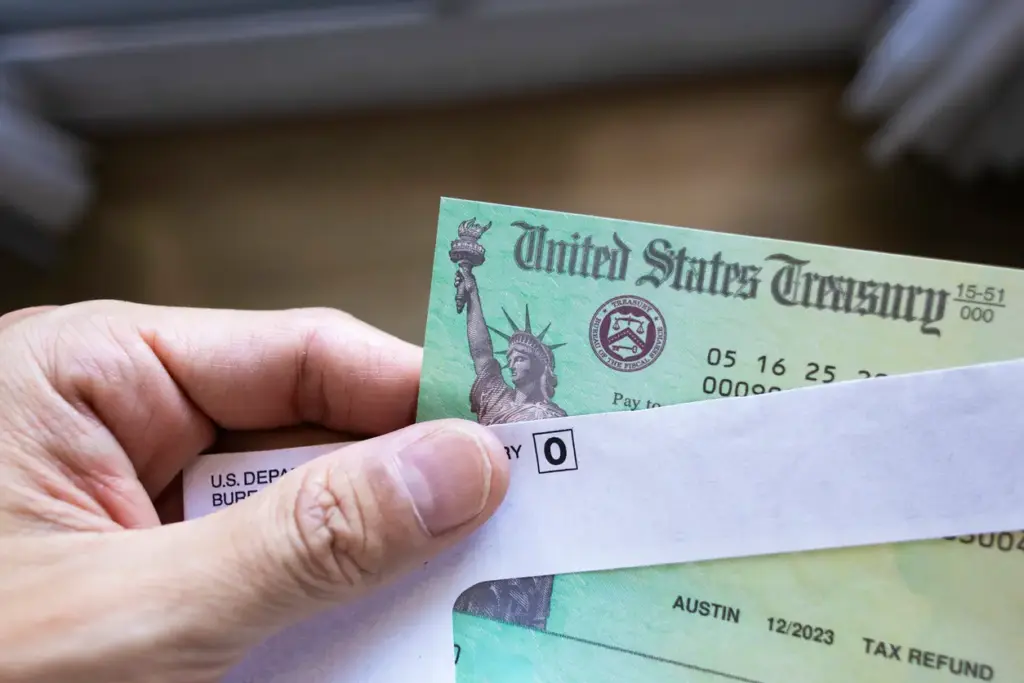
First Social Security Check of 2026
| What to Watch | What It Means |
|---|---|
| 2026 COLA Increase | 2.8% increase in Social Security payments. |
| Payment Timing for January 2026 | Payments start on January 2, 14, 21, or 28, depending on birthdate. |
| Medicare Premium Deductions | Part B premiums are expected to increase, reducing net pay. |
1. The 2.8% COLA Increase: What’s New in 2026?
Each year, Social Security benefits are adjusted for inflation, based on the Consumer Price Index (CPI-W) for urban wage earners and clerical workers. In 2026, recipients will see a 2.8% increase in their monthly Social Security payments, which means a boost in benefits across the board.
For retirees, this increase will result in an average rise of about $56 per month. However, the exact increase varies depending on the beneficiary’s initial benefit amount.
The COLA is designed to help beneficiaries keep pace with rising costs for essentials like food, housing, and healthcare. With inflation affecting many goods and services, the COLA serves as an essential mechanism to ensure that recipients do not lose purchasing power.
For example:
- The average monthly benefit for a retired worker in 2026 will increase to approximately $2,071 from around $2,015 in 2025.
- The maximum benefit for those who delay claiming until age 70 will rise to $5,251 per month, up from $5,150 in 2025.
It’s important to note that this increase does not guarantee a proportional increase in recipients’ purchasing power. While the COLA helps offset inflation, it may not be sufficient to fully counteract higher costs in critical areas like healthcare and housing.
2. Payment Timing: When Will Your First Social Security Check of 2026 Arrive?
The timing of Social Security payments is an essential detail for recipients, as the SSA follows a staggered schedule based on birthdates and the type of Social Security benefits a person receives.
When Will Payments Start?
For retired workers, the January 2026 Social Security payment will depend on your birthdate:
- January 2, 2026: For those who first began receiving benefits before May 1997 or those who receive Supplemental Security Income (SSI) benefits.
- January 14, 2026: For beneficiaries born between the 1st and 10th of the month.
- January 21, 2026: For those born between the 11th and 20th of the month.
- January 28, 2026: For those born between the 21st and 31st of the month.
These payments are part of the SSA’s system to reduce congestion and ensure payments are processed efficiently throughout the month. Beneficiaries who receive both Social Security and SSI may see payments follow separate schedules, which can impact the way funds are managed.
Timing is particularly important for recipients who rely on Social Security for most of their income. If a recipient expects a payment on a specific date and it doesn’t arrive, it can lead to confusion or missed financial obligations.
Changes in Timing Based on Weekends and Holidays
If the 1st of the month falls on a weekend or federal holiday, as it does in January 2026, payments will be issued earlier. For example, those whose payments are normally scheduled for January 1, 2026, will receive their payments on December 31, 2025, to avoid delays due to the New Year holiday.
Understanding the staggered payment system and keeping track of when your payment will arrive based on your birthdate helps avoid confusion. Beneficiaries can also check their SSA accounts for specific payment details.
3. The Impact of Medicare Part B Premiums on Net Pay
Although the COLA increase is intended to help recipients maintain their purchasing power, Medicare premiums — particularly Part B premiums — often reduce the amount recipients ultimately receive. In 2026, the standard monthly Medicare Part B premium will increase to $202.90, up from $185.00 in 2025.
For many beneficiaries, the Medicare Part B premium is automatically deducted from their Social Security check before it’s deposited, which means beneficiaries may see less than the advertised COLA increase.
The increase in premiums may eat into the 2.8% COLA, especially for those with higher incomes who may also face income-related monthly adjustment amounts (IRMAA).
For example:
- Part B premiums are deducted directly from Social Security payments, so while a person’s gross Social Security benefit may increase, the net amount they receive will reflect the increased premiums.
- IRMAA may apply to higher-income beneficiaries, who will pay higher premiums for Part B. These individuals will see an even greater reduction in their net Social Security check.
This year’s increase in Part B premiums is particularly important because healthcare costs continue to outpace general inflation, leading to concerns among beneficiaries about the adequacy of Social Security to meet rising medical expenses.
Why These Three Things Matter
Understanding the First Payment of 2026: Budgeting for Beneficiaries
The first Social Security check of 2026 is a vital milestone for beneficiaries who rely on these payments as their primary source of income. Although the COLA increase provides a welcome boost to many recipients, it’s important to account for the timing of payments and Medicare deductions when budgeting.
For individuals who depend on Social Security to cover basic living expenses like rent, food, utilities, and medical care, these changes are significant. Understanding when and how the payments arrive, as well as how premiums affect their checks, can help recipients make more informed financial decisions.
Addressing Payment Delays and Questions
Beneficiaries who don’t receive their first Social Security check of 2026 on the expected date should wait at least three business days before contacting the SSA. In cases of missing payments, it’s also helpful to check SSA’s online portal to confirm payment status or review any issues related to direct deposit or withholding.
In addition, recipients should regularly monitor any changes to Medicare premiums, as these can impact their net Social Security benefits. With health costs rising, this knowledge is crucial for effective financial planning.
Related Links
Maximum Social Security Benefit 2026 – The Exact Income Level You Need to Reach the Top Payment
Working While on Social Security 2026 – How Much You Can Earn Without Reducing Your Benefits
The first Social Security check of 2026 is an essential moment for beneficiaries, bringing with it a 2.8% increase in benefits, the impact of Medicare premium deductions, and important changes in payment timing.
Understanding these three aspects of Social Security in 2026 — from the COLA increase to the details of payment dates and Medicare premiums — is essential for recipients who rely on these benefits. By staying informed, beneficiaries can plan their finances more effectively in the year ahead.
FAQs About First Social Security Check of 2026
Q1: How much will my Social Security check increase in 2026?
A1: The COLA increase for 2026 is 2.8%, meaning most beneficiaries will see an average increase of around $56 per month.
Q2: When will my first Social Security payment arrive?
A2: Payments begin January 2, 2026 for some, with others receiving payments on January 14, 21, or 28, depending on birthdate.
Q3: Why is my net Social Security check lower than expected?
A3: Medicare Part B premiums have increased, and these premiums are automatically deducted from your check, reducing your net amount.