Honda Motor Co. has issued a nationwide recall affecting more than 400,000 Honda Civic vehicles after federal safety regulators identified a manufacturing defect that could lead to wheel detachment during operation.
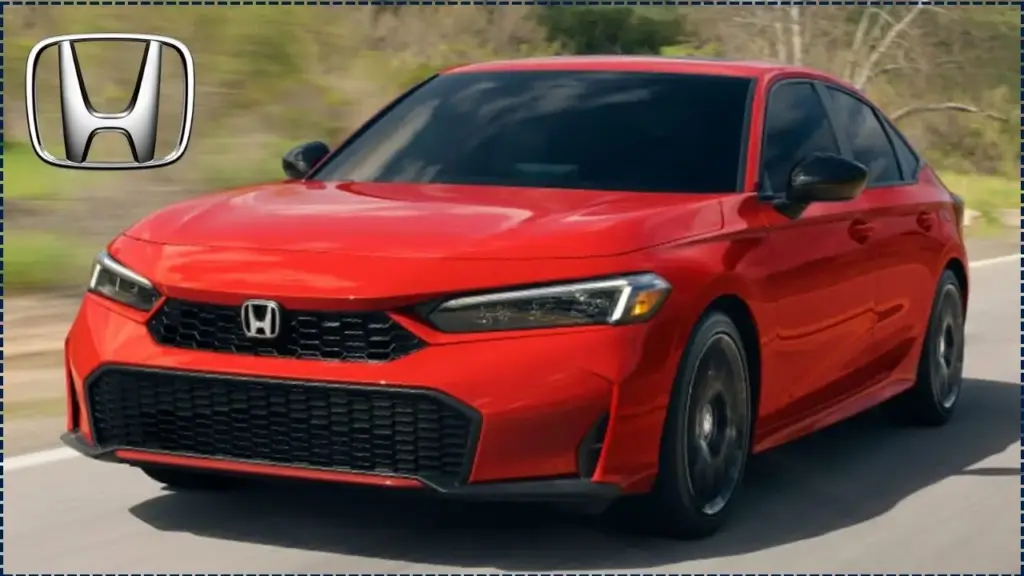
The recall spans model years 2016 through 2021 and involves certain alloy wheels that may loosen over time due to missing metal inserts. Honda and the National Highway Traffic Safety Administration (NHTSA) warn that immediate inspections are necessary under the terms of the Honda Civic Recall Alert safety notice.
Honda Civic Recall Alert
| Key Fact | Detail / Statistic |
|---|---|
| Vehicles recalled | Approx. 406,000 Honda Civics |
| Model years | 2016–2021 |
| Defect | Missing or faulty metal lug-seat inserts on 18-inch alloy wheels |
| Safety risk | Wheel detachment could cause loss of control |
| Reported injuries | None as of recall announcement |
| Fix | Free inspection and wheel replacement |
| Notification timeline | Letters to be mailed within recall schedule |
Understanding the Recall: What Triggered the Safety Warning
Honda submitted the recall after discovering that some 18-inch aluminum alloy wheels installed on certain Civic models were shipped without essential steel lug-seat inserts. These inserts stabilize the lug nuts and preserve wheel torque. Without them, wheel surfaces can deform, causing the nuts to gradually loosen.
NHTSA classifies wheel detachment hazards as critical, given that a detached wheel can destabilize a vehicle within seconds. Honda stated that while no crashes or injuries have been confirmed, the risk is severe enough to mandate a broad recall.
Consumer safety experts emphasize that wheel detachment defects can escalate quickly, even in well-maintained vehicles.
How the Issue Was Discovered: Inside Honda’s Investigation
A Fault at a Supplier Facility
Honda traced the vulnerability to a supplier plant in Italy. A temporary removal of a safety barrier allowed unfinished, non-inserted alloy wheels to mix with completed units. These flawed wheels then entered Honda’s global supply chain.
A test vehicle in Japan experienced vibration during routine evaluation, prompting further investigation. A cross-market audit uncovered thousands of wheels missing the required inserts.
Why the Inserts Matter
The steel inserts provide a hardened seat surface for the lug nuts. Without them:
- Lug nuts dig into softer aluminum
- Wheel material compresses
- Torque weakens
- Wheel wobble begins
- Full detachment becomes possible
This progression can take several months or fail suddenly under high stress, such as highway driving.
Which Vehicles Are Affected and How Owners Can Check
Impacted Models
The recall affects:
- 2016 Honda Civic
- 2017 Honda Civic
- 2018 Honda Civic
- 2019 Honda Civic
- 2020 Honda Civic
- 2021 Honda Civic
Sedan and hatchback variants are included.
Only vehicles fitted with specific 18-inch alloy wheels—factory-installed or dealer-installed—are part of the recall.
Honda Civic Recall Alert Confirm Your Vehicle’s Status
Owners should use one of the following tools:
- NHTSA VIN Lookup Tool
- Honda’s recall lookup portal
- Dealership service department inquiry
VIN searches detail all open recalls and whether repairs have been completed.
Honda’s Official Recall Remedy: What Will Happen at the Dealership
Under federal safety rules, all recall-related work must be free of charge.
Honda dealerships will:
- Inspect all four wheels for insert presence and structural wear
- Measure lug-nut torque and evaluate hub integrity
- Replace wheels and, if needed, hubs or brake components
- Complete repairs typically within one service visit
- Provide documentation confirming recall remedy completion
Honda advises customers to schedule inspections immediately.
Safety Implications for Drivers: Why This Matters
A wheel detachment at highway speeds presents multiple dangers:
- Immediate loss of steering stability
- Increased rollover risk
- Detached wheel can strike other vehicles
- Drivers may have no warning before failure
Dr. Alicia Romero, a transportation engineering professor, notes:
“Wheel assembly defects are among the most hazardous mechanical failures because they undermine the vehicle’s fundamental stability. Even minor torque loss can escalate rapidly.”
Insurance and Liability Considerations
Will insurance cover damage from a recalled part?
If a wheel detaches and causes a crash:
- Insurance generally covers the incident
- Insurer may later pursue subrogation against the automaker
However, delaying a recall repair may weaken coverage. Some insurers classify continued driving with an open safety recall as negligence.
Owner liability risks
If a driver ignores recall notices and the defect causes harm:
- Liability may shift toward the owner
- Lawsuits may hinge on whether the recall was addressed promptly
Owners should prioritize scheduling inspection appointments.
Impact on the New and Used Vehicle Market
Used Civic prices
Historically, large-scale recalls can:
- Temporarily reduce used-car values
- Create buyer hesitation
- Require dealerships to complete all recall work before resale
Given the popularity of the Honda Civic, analysts expect minimal long-term market impact once repairs are completed.
New Honda sales
While recalls may affect brand perception, Honda’s swift response and cooperation with NHTSA may limit reputational damage.
Comparison to Other Recent Honda Recalls
Honda has experienced several notable recalls in recent years, including:
- Steering gearbox issues on late-model Civics and CR-Vs
- Fuel pump defects affecting multiple vehicle lines
- Electrical software problems impacting safety systems
While wheel detachment recalls are rare, they typically result in rapid response due to the severity of the risk.
Regulatory Oversight: How NHTSA Responds to Defects
NHTSA monitors:
- Customer complaints
- Manufacturer field reports
- Dealer service bulletins
- Crash data
Once a defect pattern emerges, NHTSA may:
- Request additional documentation
- Conduct engineering analysis
- Recommend or require a recall
Honda’s submission indicates early cooperation, which may shorten the regulatory process.
Related Links
What Owners Should Do: A Practical Checklist
- Check your VIN today using NHTSA or Honda’s portal.
- Schedule the earliest available inspection at your dealership.
- Avoid high-speed driving until the wheels are checked.
- Listen for symptoms such as wobbling or metallic clicking.
- Do not attempt DIY repairs, as torque specifications are safety-critical.
- Keep all paperwork confirming repairs for insurance and resale records.
Regulators say the scope of the recall may expand if new data indicates additional wheel batches were affected. Honda plans to continue monitoring global supply-chain reports to ensure that all impacted vehicles receive timely inspection. Owners are advised to check for updates and prioritize repairs to ensure continued safety on the road.
FAQs About Honda Civic Recall
1. Is it safe to continue driving my Civic before repairs?
Honda recommends caution. If you notice vibrations, noise, or loose-handling symptoms, avoid driving and contact a dealer immediately.
2. How long will dealership repairs take?
Most inspections and replacements can be completed in one visit, depending on parts availability.
3. Can I choose a different wheel type during the recall repair?
Only replacement wheels provided under the recall will be installed at no cost.
4. Will this recall affect my car’s resale value?
Once repaired, most vehicles maintain their value. Open recalls, however, may reduce buyer interest.
5. What if I bought my Civic used and never received a recall letter?
Recall obligations follow the vehicle, not the owner. You can still receive free repairs.