When tax deadlines are missed, the consequences can quickly escalate, leaving individuals facing not just penalties and interest but the very real possibility of account seizures by the Internal Revenue Service (IRS).

Taxpayers may not fully realize how serious these enforcement actions can be until they find themselves subject to wage garnishments, bank levies, or even the seizure of property. As the IRS continues to enforce compliance, it is essential for taxpayers to understand the process and their options to avoid severe financial disruption.
The IRS Enforcement Reminder underscores the importance of staying current with tax filing and payment obligations. Failing to meet these responsibilities can lead to aggressive collections actions. However, by staying proactive, taxpayers can often avoid the worst-case scenario—asset seizures.
This article dives into when missed deadlines can result in account seizures, how to prevent them, and what steps to take if the IRS takes enforcement action.
Real Consequences of Missed Tax Deadlines: IRS Enforcement Explained
When you miss a tax deadline, the IRS does not immediately resort to drastic measures. Instead, it follows a detailed enforcement process, starting with notices and penalties.
The first signs of trouble are typically CP14 or CP501 notices indicating overdue payments. If ignored, these notices escalate in severity, eventually leading to more aggressive actions like tax liens and levies.
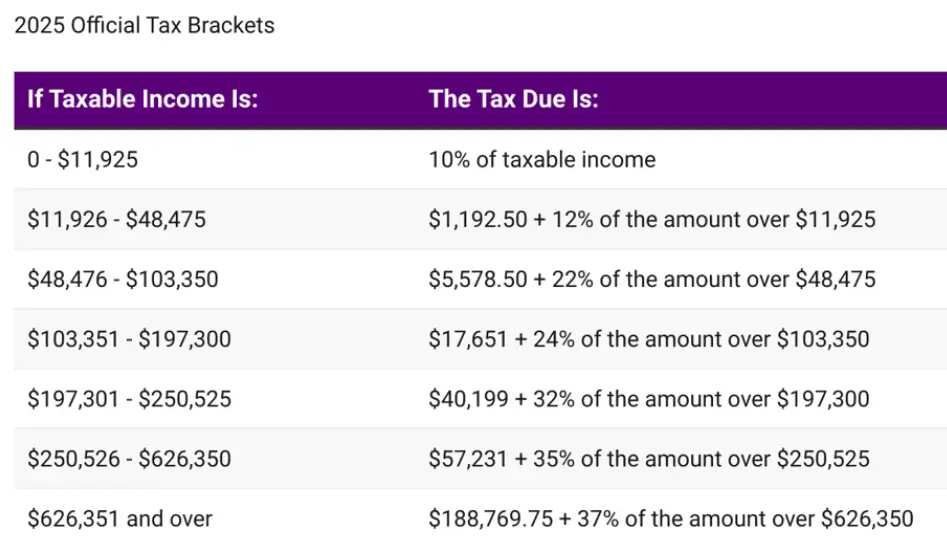
Here’s how the IRS’s collection process works:
1. IRS Notices and Penalties
The IRS begins by sending reminder notices about overdue taxes. If taxes are not paid after the first notice, a penalty is typically imposed, along with interest on the outstanding balance. Ignoring these notices invites further action.
2. Tax Liens and Levies
If taxpayers continue to ignore IRS demands, the agency will initiate a tax lien, which places a public claim on your property. A lien doesn’t take your assets but restricts your ability to sell or finance them.
If the lien doesn’t prompt repayment, the IRS may move to a levy, which involves seizing personal property or assets. This can include garnishing wages, freezing bank accounts, or taking vehicles or real estate.
3. Final Notice of Intent to Levy
Before issuing a levy, the IRS must send a Final Notice of Intent to Levy. This notice typically gives taxpayers 30 days to resolve the debt before enforcement begins. At this stage, you have the option to request an appeal or make arrangements to pay the amount owed.
Avoid Account Seizures: Proactive Steps to Take
To avoid account seizures and financial hardship, taxpayers need to act early. Here are key strategies:
1. Respond to IRS Notices
Ignoring IRS notices will only escalate the situation. Even if you can’t pay the full amount owed, it’s important to respond. A payment plan or a temporary delay in payment could prevent harsher actions. Consider using options like:
- Installment Agreements: This allows you to pay in smaller, more manageable payments.
- Offer in Compromise: This allows you to settle your debt for less than what you owe if you qualify.
2. File on Time
Even if you cannot pay immediately, filing on time is essential. Failure to file can result in penalties that are higher than if you were simply late in paying. Filing your taxes, even if you owe, minimizes the risks.
3. Negotiate or Seek Professional Help
If the IRS has already begun taking action, it may be helpful to negotiate or seek professional help. A tax professional or attorney can help navigate complex negotiations, and sometimes, they can even help reduce the amount owed through established programs like the Fresh Start Initiative.
4. Request a Collection Due Process Hearing
Taxpayers who are facing levies or liens have the right to request a Collection Due Process (CDP) hearing. This is a chance to present your case to an independent officer and discuss potential alternatives to seizure.
Impact on Credit Score and Financial Stability
Missed tax deadlines can also have a significant impact on your credit score. If the IRS places a tax lien against your property, it becomes part of the public record, potentially damaging your credit score and making it difficult to secure loans, mortgages, or new lines of credit.
As tax liens stay on your record for years, it’s important to take immediate action to prevent this from happening. Moreover, account seizures can disrupt your financial stability by freezing your bank accounts or garnishing your wages. This can leave you without access to necessary funds, leading to delays in paying everyday bills and essential expenses.
Taxpayer Rights: Protecting Your Assets
The IRS operates under strict rules and guidelines, ensuring that taxpayers’ rights are protected. Taxpayers have the right to appeal IRS actions, including levies and liens, and must be given an opportunity to challenge these actions before they are carried out.
Additionally, taxpayers are protected by the Taxpayer Bill of Rights, which guarantees several rights during the IRS enforcement process, including:
- Right to be informed: You are entitled to clear and accurate information from the IRS.
- Right to privacy: The IRS must follow appropriate procedures when collecting taxes.
- Right to challenge: You can appeal IRS decisions and take your case to court if necessary.
Understanding these rights can prevent taxpayers from unknowingly losing assets or missing critical opportunities to protect their financial situation.
Case Studies: Real-Life Examples of IRS Enforcement
Consider a case where John, a taxpayer who neglected to file his returns for several years, was unaware of the accumulating penalties and interest. After the IRS sent multiple notices and warnings, John ignored them, believing the issue would resolve itself.
Eventually, the IRS filed a tax lien and began garnishing his wages. After seeking legal assistance, John was able to work out a payment plan, but it took months of stress and financial strain to resolve.
Related Links
Wells Fargo $33 Million Settlement: Check Eligibility Criteria and How it Works
$967 SSI Checks and December Social Security Payments: Check Holiday Timing and Early COLA Effects
In another case, Sarah, a freelance photographer, missed a single filing deadline and did not respond to IRS letters. As a result, the IRS levied her bank account, seizing funds that she needed for business expenses. Fortunately, Sarah was able to negotiate an installment agreement, but the emotional toll and financial disruption were substantial.
Taking Action Before Seizure
To avoid the severe consequences of missed tax deadlines, it is critical to respond to IRS notices, set up payment plans, and understand your options. While the IRS has the authority to seize assets, there are safeguards in place to protect taxpayers who are proactive and responsive.
By addressing issues early and utilizing available options, you can avoid tax liens, levies, and seizures. If you’re facing financial difficulties or struggling with tax debt, seek professional help to explore your options and protect your financial future.