Starting January 2026, the standard monthly premium for Medicare Part B will rise to $202.90, up from $185 in 2025 — a major increase that will affect millions of U.S. beneficiaries as health-care costs continue to climb.

Medicare Rates for 2026 Set to Surge
| Key Fact | Detail |
|---|---|
| Standard Part B premium | $202.90/month in 2026 (increase of $17.90) |
| Annual Part B deductible | $283 in 2026 (up from $257) |
| Part A inpatient deductible | $1,736 in 2026 (up $60) |
| IRMAA top-tier premium | Up to $689.90/month for higher-income filers |
Why the Premium Increase?
Several factors drive this surge in Medicare rates for 2026. The Centers for Medicare & Medicaid Services (CMS) stated that the standard monthly premium rise stems from “projected price changes and assumed utilization increases that are consistent with historical experience.”
Outpatient hospital costs and physician-administered drugs are key contributors. CMS noted that without changes to the payment schedule for “skin substitutes” used in wound-care treatments, the Part B premium increase would have been about $11 more per month.
Inflation and demographic pressures — such as an ageing population and higher chronic-disease burden — also play significant roles.
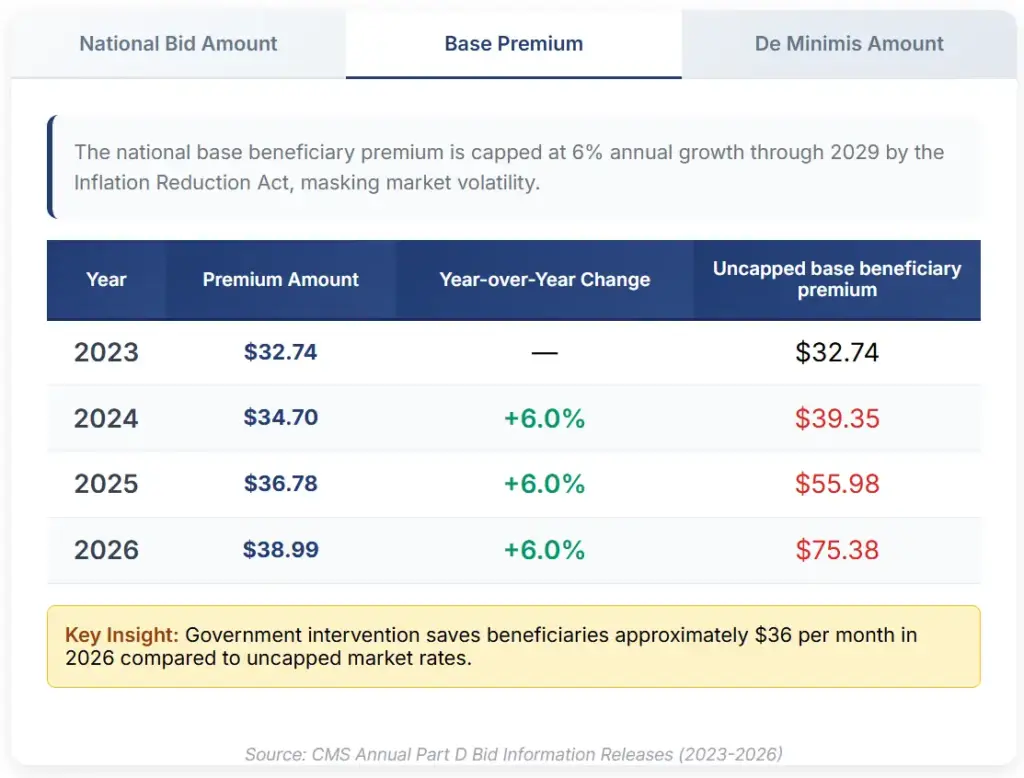
What the Medicare Rates for 2026 Will Be for Beneficiaries
Standard Income Enrollees
For those who qualify under the lowest income tier (modified adjusted gross income – MAGI ≤ $109,000 for individuals or ≤ $218,000 for married couples), the standard Part B premium will be $202.90/month. The annual deductible will rise to $283.
Higher-Income Enrollees (IRMAA)
Beneficiaries with higher incomes face additional surcharges under the Income-Related Monthly Adjustment Amount (IRMAA) regime. For example, someone with an individual MAGI ≥ $500,000 or married joint MAGI ≥ $750,000 may pay up to $689.90/month for Part B.
Part A and Other Cost-Sharing Increases
While most beneficiaries pay no Part A premium (since they have at least 40 quarters of work credits), the deductible and coinsurance are going up. In 2026 the Part A deductible for an inpatient hospital stay will be $1,736, increasing the burden for those admitted.
State-by-State and Supplemental Coverage Impacts
Variation by Region and Plan
While the national headline premium covers Original Medicare, beneficiaries in different states may face varying costs depending on supplemental Medigap policies or Medicare Advantage (MA) plan options. According to a CMS press release, the average premium for MA plans is projected to drop to $14/month in 2026, even as overall enrollee costs rise due to higher Part B charges.
Medigap (supplemental insurance for Original Medicare) premiums and Plan F phase-out are also shaping costs. Some states have seen sharp year-to-year increases in Medigap plan premiums.
Tax & Budgeting Considerations
Because IRMAA uses tax returns from two years prior, your 2024 income determines your 2026 surcharge level. Financial planners emphasise the importance of considering tax strategies, retirement withdrawals, and Roth conversions as they may influence MAGI and thus IRMAA exposure.
Historical Context and Future Projections
Medicare Premiums Over Time
The $202.90 standard premium marks a milestone — the first time Medicare Part B premium has crossed the $200 threshold. Analysts cite this as one of the largest dollar-amount increases in program history.
Projections Through 2030
Long-term projections by the Kaiser Family Foundation (KFF) suggest that if current trends persist, the standard Part B premium could approach $347.50/month by 2034 — nearly double the 2025 level.
Who Is Most Affected?
Low- and Middle-Income Retirees
For retirees living on fixed incomes, such as Social Security payments, the premium increase poses significant risk to affordability. According to MarketWatch, the premium hike will eat up roughly one-third of the 2.8% cost-of-living adjustment (COLA) for Social Security recipients.
High-Income Beneficiaries
Those subject to IRMAA surcharges will see substantial monthly payments. The tiered system means even modest income increases can trigger a higher premium level.
Medicare Advantage Enrollees
While MA plan premiums may drop, the sharp rise in Part B still means total out-of-pocket costs for Medicare coverage could increase. The trade-off between lower premiums and potential narrower provider networks remains a focus.

What to Do Now — Practical Guidance
- Review your 2024 tax return: Check whether your MAGI may trigger IRMAA and consider whether appealing (if eligible) is appropriate.
- Compare plan options during Open Enrollment (October 15 – December 7): Even if you keep your coverage, reviewing alternatives could yield savings or better benefits.
- Budget for increased cost-sharing: Beyond premiums, deductibles and coinsurance are rising — especially for Part A hospital stays and major procedures.
- Explore benefit programmes: The Medicare Savings Programs (MSPs) and “Extra Help” for Part D prescription drug costs may reduce your out-of-pocket burden if you qualify.
- Consider tax planning strategies: If you expect a drop in income (e.g., retirement, job loss), you may appeal IRMAA surcharges to reflect changed circumstances. Financial advisors recommend reviewing your situation sooner rather than later.
Related Links
Social Security Payment for Nov 19, 2025: Here’s the Average and Maximum Amount You Could Receive
Policy Implications and Accountability
The premium increase highlights enduring challenges in the Medicare system: rising health-care costs, demographic pressures, and the need for structural reform. Policymakers face questions about how to keep Medicare sustainable without shifting undue burden to beneficiaries.
In congressional oversight hearings, officials have discussed reforms including site-neutral payments, pricing for physician-administered drugs and potential changes to the IRMAA structure. Critics argue that relying on increases in beneficiary premiums is not a long-term solution to program solvency.
In 2026, Medicare rates will climb significantly — standard Part B premiums alone will reach $202.90 per month for most eligible individuals. While the benefit of Medicare remains substantial, the rising costs underscore the importance of proactive planning, informed decision-making and close attention to income thresholds and plan details.
For many Americans entering or already on Medicare, the message is clear: review your coverage, plan for higher health-care costs, and stay alert to how policy changes may affect your budget.