In 2026, the U.S. Mint introduced new circulating coins to commemorate the 250th anniversary of the United States. The redesigned coins, including the dime, quarter, half-dollar, and nickel, feature new, historically significant imagery. The changes aren’t just cosmetic; they also come with important implications for your everyday wallet.

These new coins will be entering circulation throughout 2026, but their impact extends far beyond just adding fresh designs to your spare change. While the changes may seem like a simple redesign, they represent a broader shift in how coins are used in U.S. commerce and culture.
The introduction of these coins marks the end of a significant chapter in U.S. currency design and brings forward a discussion on how cash is still used in the country despite the rise of digital payments. But beyond aesthetics, these coins also carry financial and practical significance that could surprise you.
The New U.S. Coins: What They Represent
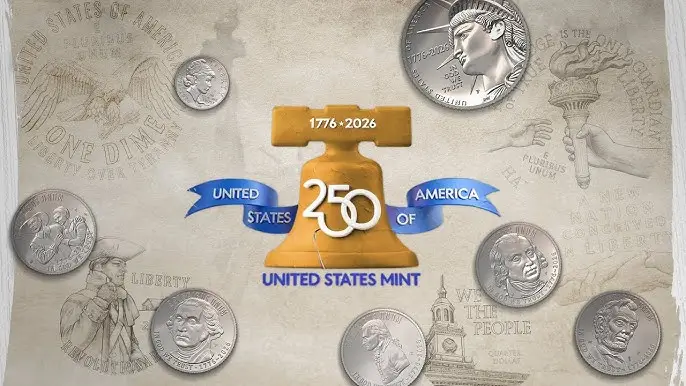
The new coins are part of the Semiquincentennial Circulating Coin Program created by the U.S. Mint to honor the nation’s 250th anniversary. The designs celebrate important moments from U.S. history, with images representing the nation’s founding and key milestones in liberty and governance.
Features of the New Coins:
- Dual Date: All of the new coins bear the dual date “1776-2026” as a tribute to the Semiquincentennial of the United States.
- Design Themes: The coins feature key symbols from American history, including the signing of the U.S. Constitution, the Revolutionary War, and the Gettysburg Address.
- New Artistic Elements: The half-dollar depicts Liberty, and the dime showcases a soaring eagle. These new designs incorporate both symbolic and literal representations of America’s values and history.
What Does This Mean for Your Wallet?
While the redesigns are intended to celebrate American heritage, the practical impact of these coins on everyday transactions should not be underestimated. These coins are set to circulate throughout 2026, gradually replacing older designs in the U.S. economy. Consumers will begin receiving them as part of routine transactions—at cash registers, in banks, and in coin-operated machines.
Practical Implications:
- Circulation and Usage: While the new coins carry no additional monetary value, they will start to replace older coins in circulation. For instance, you may start receiving a redesigned quarter instead of the old version as you make purchases or get change.
- Coinage Collection: Some consumers may choose to collect these coins due to their commemorative nature. The Mint offers sets for collectors, but even for those who aren’t collectors, these coins may spark curiosity due to their novel designs.
The Shift in Small Business Practices
Small businesses will likely experience an interesting challenge as these new coins enter circulation. Many rely on coins for everyday transactions, and receiving new coins as part of daily sales could complicate coin handling.
How Small Businesses Might Adjust:
- Coin Sorting: Small businesses may need to adjust their coin-sorting practices to accommodate the new designs. Vending machines and coin-operated services could also require updates to accept the new coins.
- Training Employees: Cashiers will need to familiarize themselves with the new designs to ensure that the coins are accurately processed. This adjustment may be particularly noticeable in businesses that deal with a high volume of change, like convenience stores or laundromats.
Although these changes are not expected to disrupt business practices significantly, it will require some initial adaptation as the new coins become more common in circulation.
Historical Context: U.S. Coinage Design
The U.S. Mint has a long history of redesigning coins to reflect the nation’s growth and changing values. The last major redesign of U.S. coins occurred in the early 20th century, but most coins have retained similar designs for decades. The redesign of the quarter, in particular, has been a point of significant interest since the 1990s, with various states offering their own state-themed quarters.
Previous Design Changes:
- State Quarters Program (1999-2008): This program marked a significant departure from the traditional designs, introducing unique state symbols and landmarks on each state’s coin.
- Sacagawea Dollar (2000): A redesigned dollar coin featuring the historic figure Sacagawea marked a step forward in the country’s commemoration of important historical figures.
The current redesign represents the latest in a long tradition of U.S. Mint innovation and aims to engage both collectors and the general public by celebrating a monumental anniversary in U.S. history.
How This Compares to Other Countries
The U.S. isn’t the only country to redesign its coins for historical purposes. Many nations use coin redesigns to mark significant anniversaries or commemorate national events. For example:
- Canada: In 2017, Canada released a new series of coins marking the 150th anniversary of the country’s founding.
- United Kingdom: In 2001, the UK issued a £1 coin featuring a design that commemorated the country’s role in the modern world, marking a shift in how coins could be used to reflect national identity.
Like these countries, the U.S. Mint’s redesign taps into national pride, using coins not only for commerce but also as a form of living history.
Expert Insights: The Financial Impact of Coin Redesigns
Experts suggest that while the changes may seem subtle, the long-term impact could be considerable for both collectors and the economy. Dr. Maria Jensen, a professor of economics at the University of California, noted that the introduction of new coins might have both psychological and financial effects on consumers.
Potential Financial Effects:
- Increased Collectible Value: Coins from the Semiquincentennial Circulating Coin Program could rise in value over time due to their historical significance. Collectors may look for first-year issues or coins in mint condition.
- Consumer Perception: The redesign might encourage greater consumer engagement with physical money, especially as coins become increasingly rare in the digital-first economy.
Dr. Jensen also highlighted that coin production costs may be a factor to watch, as minting costs for coins with intricate designs can sometimes exceed the value of the coin itself, particularly with low-value denominations like the penny.
Related Links
$50 Cash Relief Program Explained – How Short-Term Aid Helped Families During SNAP Pauses
Home Insurance Costs Rising – Why Higher Home Prices and Mortgage Rates Make Coverage More Important
What’s Next: The Future of U.S. Coins and Currency
The new U.S. coins may not be the last change to the nation’s currency. With ongoing discussions about reducing reliance on physical cash and the rise of digital currency, the future of coins in the U.S. remains uncertain.
Possible Future Changes:
- End of the Penny: Discussions continue about eliminating low-denomination coins like the penny due to rising production costs. Some lawmakers have suggested the country should shift toward digital currency solutions.
- Increased Use of Digital Payments: The rise of mobile wallets and digital transactions may eventually reduce the need for physical currency, including coins.
As the digital payment ecosystem continues to expand, these coins may serve as a final chapter in traditional U.S. currency or as part of a larger shift to new forms of money.
A Coin for the Ages
The new U.S. coins entering circulation in 2026 represent more than just monetary value—they serve as a testament to the country’s history and values. While they are designed for everyday use, they also carry historical significance and potential collectible value.
As these coins gradually replace older designs, they remind us of how currency can reflect both national pride and the evolving nature of society.
Whether they become valuable collector’s items or just another set of coins in your wallet, these redesigned coins will likely play an important role in shaping how Americans view and use money in the years ahead.