Six additional states have received federal approval to restrict certain food and beverage purchases made with Supplemental Nutrition Assistance Program (SNAP) benefits, expanding a fast-growing shift in U.S. nutrition policy that will take effect throughout 2026.
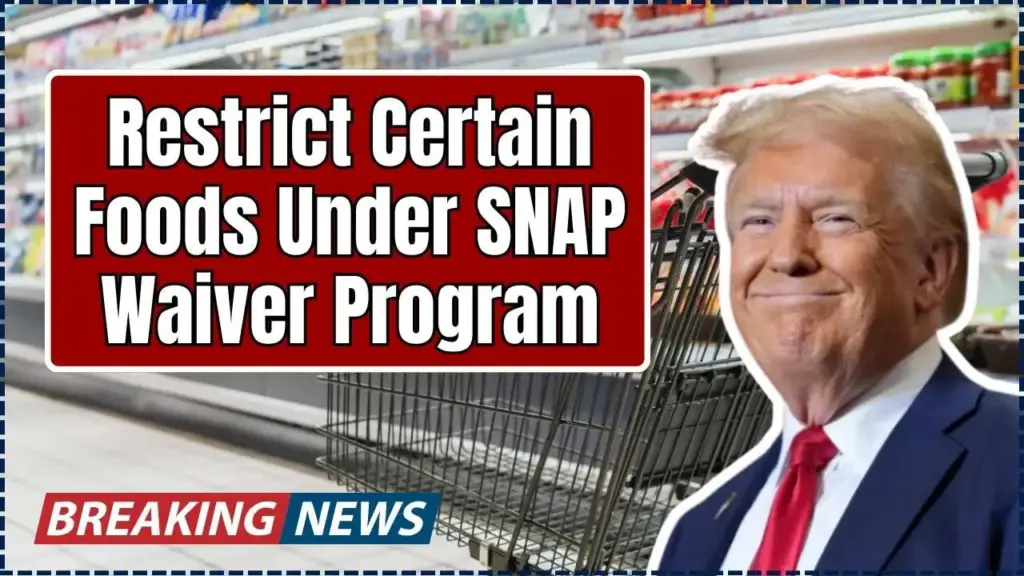
The newly approved states—Hawai‘i, Missouri, North Dakota, South Carolina, Virginia, and Tennessee—join a broader group of states using USDA waivers to limit SNAP eligibility for items such as soda, candy, and other sugar-sweetened products. With these approvals, 18 states now have permission to implement food-purchase restrictions under SNAP beginning next year.
The policy changes are being advanced under the administration’s “Make America Healthy Again” initiative, which frames SNAP not only as an anti-hunger program but as a lever to address diet-related chronic disease.
What the USDA approved—and How the Waivers Work
Under federal law, SNAP generally allows beneficiaries to purchase any food intended for home consumption, with a few long-standing exclusions such as alcohol and hot prepared foods. The newly approved waivers allow states to narrow that definition, effectively blocking certain items at the point of sale when customers attempt to pay with SNAP benefits.
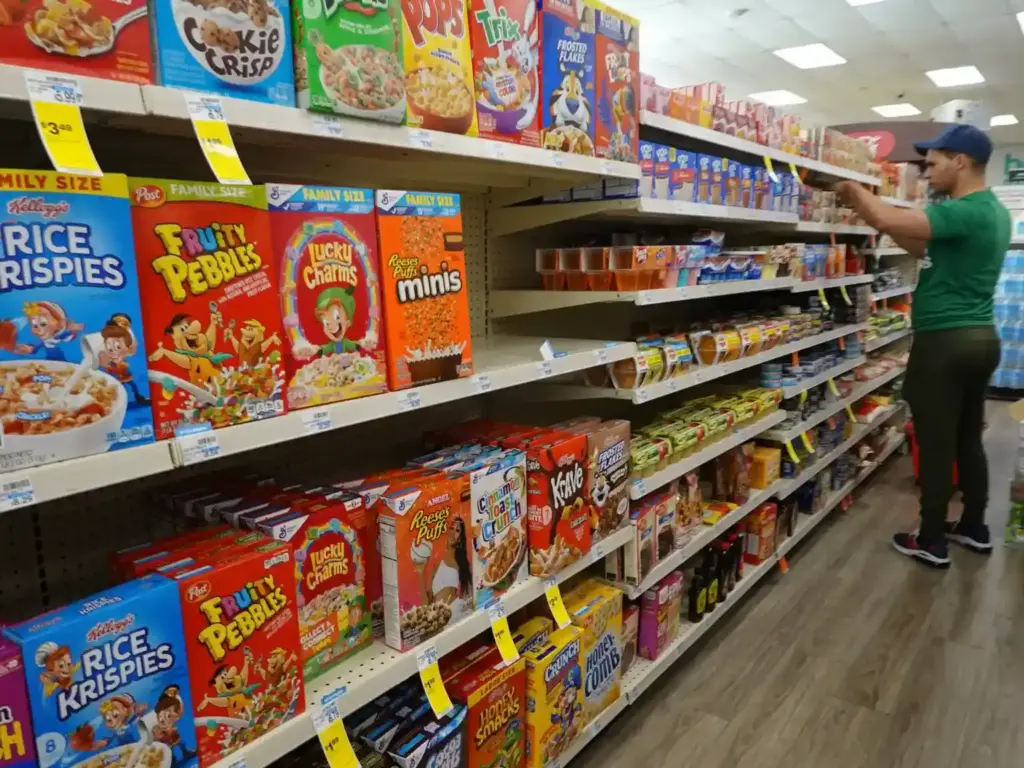
The scope of restrictions varies by state. Most waivers focus on soft drinks, candy, energy drinks, and other sugar-sweetened beverages, though some states also include prepared desserts or drinks with minimal fruit juice content. Each state defines ineligible items differently, meaning a product blocked in one state may remain eligible in another.
USDA officials say the waiver approach gives states flexibility while preserving the program’s core mission. Agriculture Secretary Brooke Rollins described the changes as “restoring SNAP to its true purpose—nutrition,” while Health and Human Services Secretary Robert F. Kennedy Jr. argued that public dollars should not subsidize products linked to chronic disease.
Which States Are Affected—and When Changes Begin
Implementation dates are staggered across 2026, reflecting the technical and administrative work required. States such as Indiana, Iowa, Utah, and West Virginia plan to launch restrictions as early as January, while others—including Missouri and North Dakota—target late summer or early fall.
For SNAP recipients, the changes will be most visible at checkout. Once a waiver takes effect, EBT systems will automatically decline ineligible items. Shoppers may still buy those products using cash or other payment methods, but SNAP benefits cannot be applied.
What Checkout Could Look Like for SNAP Households
In practical terms, the experience may involve split-tender purchases. A shopper who scans groceries including soda or candy could see those items rejected under SNAP while the rest of the cart is approved. Retailers would then ask the customer to pay separately for restricted items or remove them from the transaction.
Advocates worry that this moment—especially when rules differ across state lines—could create confusion or stigma. Supporters counter that similar systems already exist for alcohol, tobacco, and hot foods, and that clearer labeling and education can minimize disruption.
Retailers and EBT Systems Face a Complex Rollout
Behind the scenes, the policy shift places significant demands on retailers and payment processors. Stores must update product eligibility databases containing tens of thousands of items, retrain staff, and ensure compliance with state-specific definitions.
Retail industry groups have warned that non-uniform rules increase costs and the risk of checkout errors, particularly for chains operating in multiple states. Smaller retailers and convenience stores—which serve many SNAP customers—may face steeper compliance challenges.
USDA officials say states have been given extended timelines precisely to address these technical hurdles, and that implementation will be monitored closely.
Supporters Say Restrictions Promote Health and Program Integrity
Backers of the waivers argue that SNAP should align more closely with public-health goals. They point to high rates of obesity, diabetes, and cardiovascular disease among low-income populations, and say limiting taxpayer-funded access to sugar-sweetened products is a reasonable intervention.
Several governors of newly approved states praised the policy as a way to encourage healthier choices while maintaining access to staple foods. Supporters also emphasize that SNAP recipients remain free to purchase restricted items with their own money.
Critics Warn of Stigma and Uncertain Health Benefits
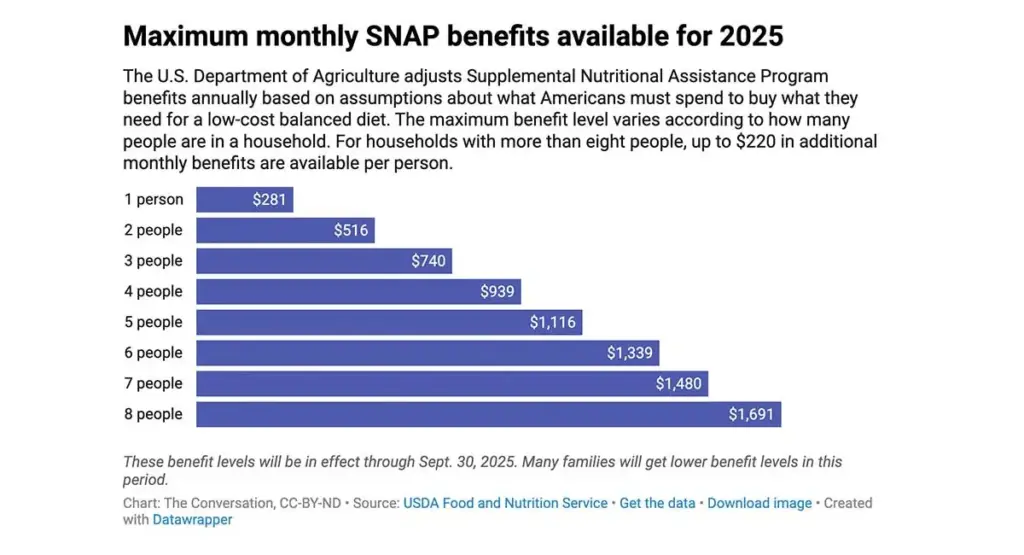
Anti-hunger organizations have strongly opposed the restrictions. Groups such as the Food Research & Action Center argue that SNAP benefits already average just over $6 per person per day, and that limiting choice does little to address the underlying affordability of healthy foods.
Critics also note that households can substitute restricted products with cash, potentially blunting health effects, while still bearing the social cost of public scrutiny at checkout.
Industry groups, including beverage manufacturers, have echoed those concerns, arguing that nutrition education and incentives are more effective than bans.
What Research Says About SNAP Spending and Diet
Studies show that SNAP households do spend slightly more of their food budgets on soft drinks than non-SNAP households, though differences are modest. USDA researchers have previously concluded that restricting specific items alone is unlikely to dramatically change overall diet quality.
However, some academic models suggest that eligibility rules do influence purchasing behavior at the margin, especially when paired with incentives. Programs that combine restrictions with subsidies for fruits and vegetables show stronger projected health gains than restrictions alone.
How the U.S. Compares Internationally
Several countries take a more prescriptive approach to food assistance. Some European welfare systems provide cash benefits without food restrictions, while others rely heavily on price subsidies for healthy foods rather than bans.
The U.S. waiver strategy is unusual in that it maintains a national program while allowing states to diverge significantly—an approach that could result in a patchwork of nutrition rules across the country.
Legal and Political Outlook
The expansion of SNAP food restrictions comes amid broader legal disputes over federal nutrition policy and state flexibility. Courts have recently weighed in on unrelated SNAP eligibility rules, signaling that future challenges to food-restriction waivers are possible.
Politically, the issue is likely to carry into the 2026 midterm election cycle, where SNAP policy often becomes a flashpoint in debates over public spending, health, and poverty.
Related Links
Why Some Social Security Recipients Will See Three Payments This December – Check Details
SSDI Payment Dates for December and January: When the Higher Amount Will Show Up? Check Details
What Happens Next
Between now and 2026, states will finalize product lists, update EBT systems, and roll out public education campaigns. USDA has said it will track outcomes and operational challenges as the waivers take effect.
Whether the restrictions meaningfully improve health—or simply add friction to a program serving more than 40 million Americans—will likely determine whether the policy expands further or faces a rollback in future administrations.
The approval of six additional waivers marks a significant shift in how SNAP is administered, transforming it from a largely uniform national program into one where food eligibility increasingly depends on where recipients live.