Starting in 2026, the Supplemental Nutrition Assistance Program (SNAP) will undergo significant changes that could affect millions of low-income individuals and families. These changes, including stricter work requirements, food purchase restrictions, and adjustments to eligibility, will alter how recipients qualify for and utilize their benefits.
The SNAP Benefits 2026 Changes come as part of the One Big Beautiful Bill Act (OBBBA), a legislative push aimed at reducing federal spending while promoting self-sufficiency. For millions of Americans who rely on SNAP, understanding these new rules is crucial to ensuring continued access to food assistance.
SNAP Benefits 2026 Changes
| Key Change | Details |
|---|---|
| Work Requirements Expanded | Adults 18-64 must meet stricter employment or training standards |
| Food Purchase Restrictions | States may limit purchases of sugary drinks, snacks, and more |
| State Administrative Costs | States to cover more of SNAP program’s administrative costs |
| Immigration and Eligibility | Noncitizen eligibility and documentation requirements tightened |
| Payment Distribution Adjustments | More timely payments expected but under new compliance checks |
Understanding SNAP: A Vital Public Program
SNAP’s Role in U.S. Society
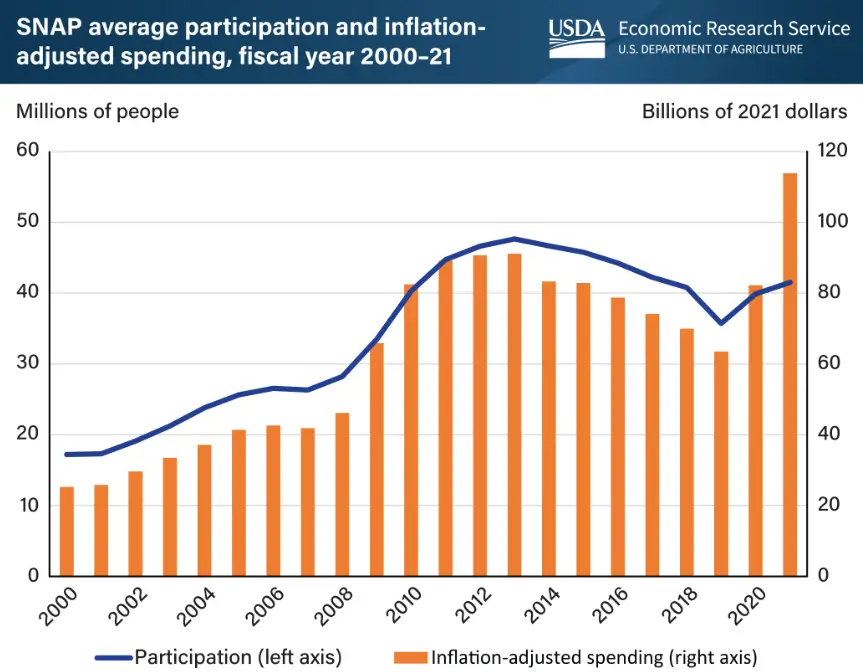
The Supplemental Nutrition Assistance Program (SNAP) is the largest federal assistance program in the U.S., designed to help low-income individuals and families purchase nutritious food. Managed by the U.S. Department of Agriculture (USDA), SNAP reaches more than 40 million Americans annually, providing financial support for purchasing essential food items at participating retailers.
The program is often the first line of defense against food insecurity, particularly in households where poverty rates are high. Since its inception in 1964, SNAP has expanded to cover a broad range of households, including the elderly, children, disabled individuals, and the unemployed.
Despite its importance, SNAP has faced ongoing political scrutiny and reform efforts, with some arguing for more stringent eligibility criteria and others pushing for the program to be better funded and more widely available.
What’s Changing in 2026?
Expanded Work Requirements for Adults
A pivotal change in 2026 is the expansion of work requirements for adults between the ages of 18 and 64. Starting in January, able-bodied adults without dependents will be required to engage in 80 hours per month of work, job training, or volunteer service to retain their full SNAP benefits. Previously, such requirements were only applied to individuals in specific categories.
Impact of Work Requirements
While the goal of these changes is to encourage self-sufficiency and reduce dependency on public assistance, critics argue that many recipients may face challenges in meeting the new work standards, particularly in regions with limited job availability.
For example, individuals in rural areas or those with caregiving responsibilities may struggle to find suitable work opportunities. This could lead to a reduction in benefits or disqualification, despite a lack of job opportunities.
For recipients with disabilities or those who are the primary caregivers for dependents, special exemptions or work alternatives may apply. However, verification requirements for exemptions will increase, adding additional administrative burdens for both recipients and state agencies.
Food Purchase Restrictions and State Authority
A significant aspect of the SNAP Benefits 2026 Changes is the ability for states to impose food purchase restrictions. While SNAP has historically allowed recipients to purchase a wide variety of foods, new orders will allow individual states to limit what can be bought with SNAP benefits. Items likely to be restricted include:
- Sugary beverages, including sodas, energy drinks, and sweetened coffee drinks.
- Snacks and junk foods, such as candy and chips.
- Certain high-calorie, low-nutrient foods, which may be flagged by state-level health initiatives.
These changes are designed to promote healthier eating and combat rising obesity and diabetes rates among low-income households. Critics, however, argue that this could stigmatize low-income individuals and families, limiting their access to affordable food options.
The Impact of SNAP Benefits 2026 Changes on Eligibility and Payments
Stricter Rules for Non-Citizens
As part of the 2026 reforms, there will be more stringent rules regarding the immigration status of applicants. Non-citizens will face stricter eligibility checks, particularly those applying for benefits after their initial enrollment. Those on temporary visas will need to provide additional documentation to remain eligible.
The rules also affect mixed-status families, where some family members are U.S. citizens and others are not. Such families may face more frequent eligibility reviews and possible disqualification of non-citizens from receiving benefits, even if they live in the same household.
Critics have expressed concern that these changes could lead to increased food insecurity for immigrant families who depend on SNAP assistance.
Increased State Administrative Burden
States will now assume more financial responsibility for the administration of SNAP. Starting in 2026, states will contribute 25% more of the funding needed to run the program, covering costs associated with eligibility verification, audits, and outreach efforts.
This shift means states will have to bear more of the cost burden, potentially leading to longer delays in benefit distribution and even service reductions in some states.
The increased administrative costs could lead to inequities across states, with some states being better equipped to handle the added financial burden, while others may reduce program access to balance budgets.
The Broader Social and Economic Context
SNAP’s Role in Reducing Hunger and Poverty
SNAP plays an integral role in addressing food insecurity in the U.S., particularly among children, seniors, and disabled individuals. According to the Food Research & Action Center, SNAP lifts approximately 3 million Americans out of poverty annually, and it provides a crucial safety net during economic downturns.
However, the program’s effectiveness is often debated in light of rising food costs, economic inequality, and concerns about program abuse. The expansion of work requirements and food restrictions may be seen as steps toward reducing dependency on public assistance.
However, many believe that without addressing the root causes of food insecurity—such as low wages, lack of affordable housing, and limited access to health care—such measures may do little to address the underlying problem.
Expert Opinions on SNAP Reforms
Experts in public policy have expressed mixed opinions about the 2026 changes. Some argue that encouraging self-sufficiency through work requirements will lead to better economic outcomes for individuals in the long term.
However, others caution that such policies fail to take into account the structural barriers many low-income individuals face, such as limited access to education, job opportunities, or affordable child care.
Dr. Anna Jackson, a Senior Policy Fellow at the Urban Institute, notes that while work requirements can be effective in some contexts, they must be paired with supportive services such as job training and childcare assistance to be truly beneficial.
Real-World Implications: Stories of Affected Recipients
While these policy changes will certainly affect millions of Americans, the impact will vary widely by demographic. For example:
- Seniors who rely on SNAP benefits to cover food expenses may face greater eligibility challenges due to non-citizen restrictions or administrative delays.
- Single mothers may struggle to meet the work requirements due to child care limitations, reducing their ability to maintain benefits.
- Disabled individuals who are unable to work full-time may be disproportionately affected by the expanded work requirements unless exemptions are granted.
These real-world challenges underscore the need for thoughtful and comprehensive reforms to ensure that SNAP can continue to meet its goal of reducing food insecurity for all Americans.
What to Expect and How to Prepare for SNAP Benefits 2026 Changes
Stay Informed
Petitions, advocacy, and engagement with policymakers will be essential for recipients facing these new rules. Beneficiaries should stay informed by regularly checking their state’s SNAP website and ensuring that they have all the necessary documentation for eligibility reviews.
Engage with Local Resources
Local food banks, social services, and advocacy groups will be crucial in helping recipients navigate the complexities of the new SNAP system. Many of these organizations are already offering workshops, trainings, and guidance to ensure that families are prepared for the upcoming changes.
Related Links
CVS-Aetna Data Leak: $35 Million Payout for Mismanaged Patient Records.
The SNAP Benefits 2026 Changes are among the most comprehensive adjustments to the program in recent years, with significant implications for millions of Americans. As eligibility rules tighten and food purchase restrictions expand, recipients must navigate these changes carefully.
While the goal of promoting self-sufficiency is well-intentioned, policymakers must balance work requirements and food access with the realities of poverty and food insecurity. In the coming months, recipients should stay informed about these changes and take proactive steps to ensure they continue receiving the assistance they need.
FAQs About SNAP Benefits 2026 Changes
Q: Will I receive less SNAP benefits in 2026?
A: Benefits may decrease if you cannot meet the new work requirements or if your state adopts food restrictions. Review your eligibility and start preparing for required documentation.
Q: Can I still buy sugary drinks with SNAP?
A: Some states may restrict the purchase of sugary drinks or snacks with SNAP. These rules will vary by state, so it’s essential to check your state’s specific regulations.
Q: How will I know if I qualify under the new eligibility rules?
A: Be prepared for additional verification steps in 2026, especially if you are a non-citizen or part of a mixed-status household. Contact your local SNAP office for guidance on updated eligibility requirements.