As the Supplemental Nutrition Assistance Program (SNAP) continues to evolve, 2026 brings significant changes in work requirements that will impact millions of recipients across the United States. These new work rules aim to ensure that individuals receiving food assistance are either employed or participating in work-related activities.

For SNAP beneficiaries, understanding SNAP recertification and how to comply with these new work requirements is critical to maintaining their benefits.
The expanded work requirements, which apply to able-bodied adults without dependents (ABAWDs) aged 18 to 64, are set to become one of the most notable changes to SNAP in 2026. These new regulations will require a broader group of people to demonstrate they are working, undergoing job training, or volunteering in approved activities for at least 80 hours per month.
Failing to meet these requirements could result in losing benefits. This article provides a comprehensive guide to navigating the SNAP recertification process, staying compliant with the new work rules, and understanding how these changes will affect those who depend on food assistance.
What Has Changed in SNAP Work Requirements for 2026?
The 2026 SNAP work requirements are a direct result of changes introduced by the federal government to promote self-sufficiency while ensuring food assistance reaches those who are actively trying to improve their employment prospects.
These changes, which expand work requirements to include a larger population, stipulate that able-bodied adults without dependents (ABAWDs) must engage in a minimum of 80 hours of work or approved activities each month.
Previously, ABAWDs were subject to a three-month time limit for receiving SNAP benefits if they did not work or participate in qualifying activities. The 2026 updates now include a broader age range of 18 to 64 (instead of 18-49) and stricter eligibility standards, meaning even more recipients will need to meet these work requirements to retain their benefits.
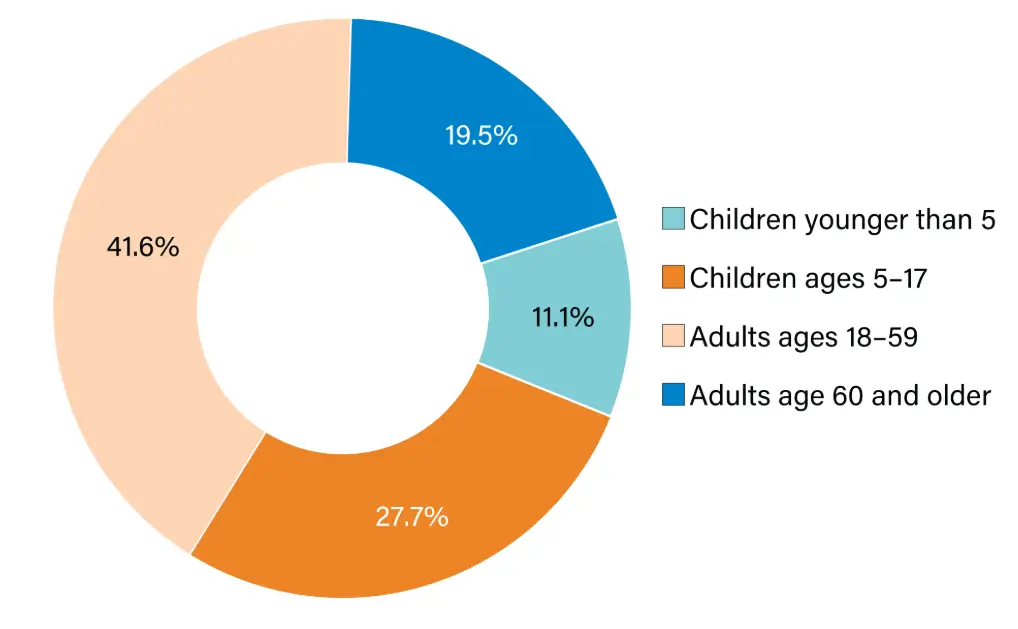
The new rules aim to support individuals who are able to work but are not currently engaged in employment or job training. Exemptions still exist for some populations, such as:
- Pregnant women
- Individuals with children under a certain age
- People with disabilities
- Those already participating in job training programs
These updates reflect an ongoing shift toward work and self-sufficiency in the administration of public assistance.
How Does SNAP Recertification Work in 2026?
SNAP recertification is the process by which beneficiaries verify that they are still eligible for benefits and provide updated documentation of their income, household composition, and participation in work or training activities.
This process is critical in ensuring that recipients continue to meet the eligibility criteria for food assistance. In 2026, recertification will require individuals to provide additional documentation regarding their participation in work or approved activities. Here’s how the process works:
- Documenting Work or Approved Activities: Recipients must show proof of at least 80 hours of work or qualifying activities per month. This could include work, job training, or volunteer activities in approved programs.
- Reporting Household Information: Any changes to household size, income, or other relevant information must be reported to the state SNAP office during recertification.
- Verification: Recipients must submit documentation such as pay stubs, volunteer hours, or training certificates to prove their participation in qualifying activities.
Failure to provide sufficient documentation or meet the work requirements can result in a temporary suspension of benefits until compliance is met.
Understanding Work-Related Activities that Qualify
To meet the new work requirements, SNAP recipients can engage in a variety of qualifying activities. These include:
- Paid Employment: Work at any job, full-time or part-time, qualifies as a work activity.
- SNAP Employment & Training (E&T) Programs: Many states offer job training programs through SNAP. Participation in these programs, which provide job skills and employment support, is considered a qualifying activity.
- Community Service and Volunteer Work: Volunteering with organizations that are approved by the state can count toward the work requirement.
- Job Search: Some states may allow recipients to count active job searches as part of meeting the work requirement.
It’s important for recipients to consult with their state SNAP office to confirm that their activities will qualify under the new rules.
Case Study: How New Work Requirements Impact Real Families
Carlos Martinez, a single father from Texas, is one of many recipients navigating the new rules. “Before 2026, I wasn’t required to report my job search hours for SNAP,” says Carlos.
“But now, with the new rules, I need to track every hour of job training and even volunteering. It’s a bit more work, but it helps that I have programs to support me.” Carlos’s story illustrates a common challenge many recipients face.
The new work requirements push individuals to prove they are working toward self-sufficiency, but it also adds an extra layer of paperwork and compliance.
State-Specific Implementation: What You Need to Know
While the federal government sets the groundwork for the SNAP program, each state has some flexibility in how it implements the work requirements and recertification process. Some states with higher unemployment rates or economic challenges may request temporary waivers or extensions to the work requirements.
For example, states like California and New York have developed SNAP Employment & Training (E&T) programs to help recipients gain skills and meet the work requirements.
These programs often include job readiness workshops, resume building, and vocational training. In states with lower unemployment, the work requirement enforcement might be stricter, with fewer exceptions for ABAWDs.
Resources for SNAP Recipients: Getting Help with Work Requirements
Several resources are available to assist SNAP recipients in complying with the new work requirements:
- SNAP Employment & Training (E&T) Programs: These state-run programs help individuals gain skills that improve their employment prospects.
- Community-based Organizations: Many nonprofits offer free job training, resume building, and job search services to help SNAP recipients meet work requirements.
- State SNAP Offices: Beneficiaries can contact their local SNAP office to inquire about resources, support programs, and to verify which activities qualify toward the work requirement.
Additionally, individuals who are unable to meet the work requirement can seek an exemption by submitting documentation regarding their unique circumstances (e.g., health issues, caregiving responsibilities).
Consequences of Non-Compliance: What Happens If You Fail to Meet Work Requirements?
Failing to meet work requirements could lead to a reduction or disqualification from SNAP benefits. If a recipient is unable to demonstrate that they’ve worked or participated in qualifying activities, they may be subject to:
- Temporary Suspension: Benefits may be suspended for a specified period until work requirements are met.
- Long-Term Disqualification: If the recipient fails to meet work requirements for an extended period, they could face longer-term disqualification or reduced benefits.
However, recipients can appeal these decisions by contacting their local SNAP office and presenting their case for why they were unable to meet the requirements.
Related Links
Kaiser Permanente $46 Million Privacy Data Breach Settlement: Here’s How to File a Claim
Navigating SNAP Recertification in 2026
As the SNAP recertification process evolves in 2026, the added complexity of meeting new work requirements can create challenges for some recipients. Understanding the eligibility criteria, keeping track of work activities, and staying up to date with state-specific regulations are essential for maintaining food assistance under the new rules.
While the goal of the new requirements is to promote self-sufficiency, the systems must also provide adequate support to help recipients successfully comply with these standards.
SNAP is a vital resource for millions of Americans, and staying informed, organized, and proactive during recertification will help ensure continued access to these crucial benefits.