Millions of Americans who rely on food assistance are seeing changes under SNAP Updates taking effect this month, as new federal and state rules tighten work requirements, adjust benefit eligibility, and introduce limits on how benefits may be used.

The changes follow federal legislation enacted earlier this year and mark one of the most significant shifts in nutrition assistance policy in recent years.
SNAP Updates
| Key Fact | Detail |
|---|---|
| Program affected | Supplemental Nutrition Assistance Program (SNAP) |
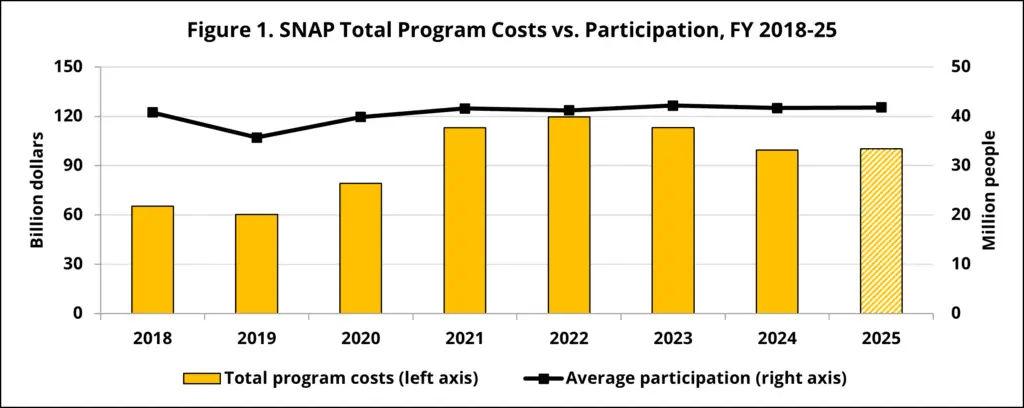
| Monthly recipients | About 42 million people |
| Primary change | Expanded work requirements for adults without dependents |
| Affected age group | 18–64 |
| Time limit | 3 months in a 36-month period without compliance |
The latest SNAP Updates represent a substantial shift in how food assistance is administered in the United States. While benefits continue for most recipients this month, expanded work requirements, tighter eligibility reviews, and new food assistance rules could reshape access in the months ahead. Officials say further guidance is forthcoming as states complete implementation.
What Are SNAP Updates and Why Are They Happening Now
The Supplemental Nutrition Assistance Program (SNAP) is the nation’s largest anti-hunger program, administered by the U.S. Department of Agriculture (USDA) and operated by states. It provides monthly benefits to help low-income households buy food.
The latest SNAP Updates stem from federal legislation signed earlier this year that directs states to more strictly enforce long-standing program rules. Many of those rules were suspended or relaxed during the COVID-19 pandemic and the years that followed.
Federal officials say the timing reflects improving national employment levels and rising program costs. Critics argue the changes overlook regional labor disparities and ongoing economic pressures.
Expanded Work Requirements Under SNAP Updates
Who Is Subject to the New Rules
A central feature of SNAP Updates is the expanded enforcement of rules for Able-Bodied Adults Without Dependents (ABAWDs). These are individuals who:
- Are 18 to 64 years old
- Do not have dependent children under age 14
- Are not pregnant
- Are not classified as disabled or medically unfit for work
Under current federal policy, these individuals must complete at least 80 hours per month of qualifying activity to continue receiving SNAP beyond a limited time period.
Qualifying activities include:
- Paid employment
- Approved job training or education programs
- Community service or volunteering
The Three-Month Time Limit Explained
Without meeting these requirements, ABAWDs may receive SNAP for only three months within a 36-month period. This rule is written into federal law and is not new, but enforcement was widely paused during the pandemic.
Under SNAP Updates, exemptions are narrower, and states face stricter criteria when requesting waivers.
How States Are Implementing SNAP Updates
Because SNAP is jointly funded by the federal government and states, enforcement varies widely. Some states have reinstated work requirements statewide. Others continue to operate under limited county-level waivers where unemployment remains high.
In most cases, enforcement occurs during recertification, not immediately, which means some recipients will not feel the impact until later in the year.
Changes to Benefit Eligibility Beyond Work Rules
SNAP Updates also reinforce existing eligibility checks related to income, household composition, and residency. States are conducting more frequent reviews to verify continued eligibility.
Advocacy groups warn that increased administrative scrutiny can lead to “procedural disenrollment,” where eligible households lose benefits due to paperwork issues rather than income changes.
New Food Assistance Rules on Purchases
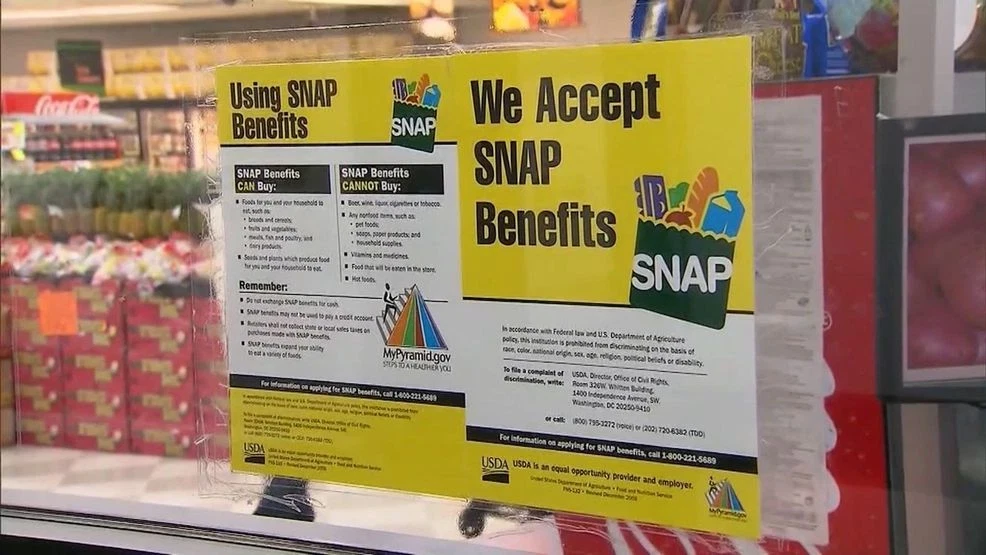
In addition to eligibility changes, several states are implementing new food assistance rules that limit what SNAP benefits can buy. These restrictions often target sugary drinks, candy, and certain processed foods.
Supporters say the measures promote public health and reduce diet-related illness. Critics counter that they reduce consumer choice and increase stigma without addressing broader nutrition access problems. These rules are state-specific and require federal approval. They do not apply nationwide.
Economic and Labor Market Context
The rollout of SNAP Updates comes amid mixed economic signals. While national unemployment remains relatively low, job stability varies widely by region, industry, and age group.
Many SNAP recipients work in sectors such as retail, food service, and caregiving, where hours fluctuate week to week. Labor economists note that fixed monthly hour requirements can be difficult to meet even for individuals who are consistently employed.
What Past Evidence Shows About SNAP Restrictions
Research from universities and policy institutes examining earlier SNAP work requirement rollouts found:
- Modest or no long-term increases in employment
- Significant drops in program participation
- Increased reliance on food banks and emergency meals
These findings are frequently cited by both supporters and critics of SNAP Updates, though interpretations differ.
Legal Challenges and Policy Uncertainty
Several advocacy organizations have signaled potential legal challenges to aspects of the new rules, particularly age expansion and food purchase restrictions. Legal experts note that SNAP rules have historically been upheld but are subject to judicial review if implementation conflicts with federal statutes or constitutional protections. For now, SNAP Updates remain in force unless modified by courts or future legislation.
Appeals, Due Process, and Recipient Rights
Recipients who face benefit reductions or termination have the right to:
- Receive written notice
- Request an administrative hearing
- Submit documentation or corrections
- Appeal decisions within a specified timeframe
Legal aid groups stress that appeals can succeed, particularly in cases involving exemptions, medical issues, or reporting errors.
Administrative Burden on States
State agencies report that SNAP Updates require significant system changes, staff training, and outreach. Caseworkers must review work documentation, track exemptions, and manage appeals, increasing administrative workloads.Some states have acknowledged delays and backlogs as systems adjust.
International Perspective on Food Assistance and Work Rules
Unlike the U.S., many high-income countries separate food assistance from employment requirements, instead tying income support to broader welfare programs. International researchers note that the U.S. model is more conditional than those in Canada or much of Europe. This comparison is often cited in policy debates but has not altered current federal direction.
Related Links
December 17 Social Security Deposit: Check Who Receives Up to $4,018 This Week
Trump Pushes Bold Social Security Reform in 39 States—Massive Policy Changes Could Be Coming
What SNAP Recipients Should Do Now
Key steps include:
- Carefully reading all state SNAP notices
- Confirming ABAWD classification
- Tracking work or training hours
- Asking about exemptions before assuming ineligibility
- Seeking legal or advocacy support if unsure
States are required to provide guidance and referrals to employment and training resources.
FAQs About SNAP Updates
Are SNAP Updates reducing benefits for everyone?
No. Most changes affect adults without dependents who do not meet work rules.
Do families with children lose benefits?
Generally no. Households with dependents are largely exempt.
Can benefits restart after being cut?
Yes, once requirements are met or an exemption applies.
Do purchase restrictions apply nationwide?
No. They are state-specific and limited.