The Trump administration has launched a set of actions affecting Social Security that have fueled headlines warning of “bold reform” across 39 states. At the center of the attention is a federal push urging dozens of states to stop diverting Social Security benefits owed to foster children, alongside administrative changes that significantly alter how Americans interact with the Social Security Administration (SSA).
While these developments have sparked intense political debate and public concern, experts caution that they do not constitute a sweeping overhaul of Social Security law.
Instead, they reflect a mix of administrative enforcement, intergovernmental conflict, and long-running structural pressures on the nation’s largest social insurance program. Understanding what is changing — and what is not — requires separating political messaging from policy reality.
Social Security Reform
| Key Issue | What Is Happening |
|---|---|
| 39-State Action | Federal government urged states to stop diverting foster youths’ Social Security benefits |
| Benefit Formula | No change to retirement or survivor benefit calculations |
| Field Offices | Planned reduction of in-person visits by about 50% |
| Legal Authority | Core Social Security reforms require congressional legislation |
What the “Social Security Reform in 39 States” Issue Actually Involves
The phrase “39 states” refers to letters sent by the U.S. Department of Health and Human Services (HHS) to governors in states where child welfare agencies routinely claim Social Security survivor benefits on behalf of foster children and use the money to offset care costs.
Federal officials argue this practice undermines the intent of Social Security, which was designed to provide direct financial support to beneficiaries, not to supplement state budgets. According to HHS, children whose parents paid into Social Security are legally entitled to these funds, regardless of foster care status.
In a written statement, HHS officials said the practice “deprives foster youth of resources meant to support their education, housing, and transition to adulthood.”
Several states have defended the policy, saying the funds help cover legally required care expenses. Others have indicated a willingness to revise procedures following federal pressure. Policy analysts emphasize that this issue does not alter Social Security benefits nationally, nor does it change eligibility rules. Instead, it highlights how states administer benefits once they are awarded.
Administrative Social Security Reforms
Sharp Reduction in In-Person Services
Separately from the foster care issue, the SSA has announced plans to cut in-person field office visits by roughly half beginning in fiscal year 2026. The agency says the move reflects staffing shortages, budget constraints, and an effort to modernize services through online systems.
SSA officials say most routine tasks — including benefit verification and address changes — can be handled digitally. However, advocacy groups warn that millions of Americans, particularly seniors, rural residents, and people with disabilities, rely on face-to-face assistance.
“This is not just a customer service issue,” said Kathleen Romig, director of Social Security and disability policy at the Center on Budget and Policy Priorities. “For many people, in-person access is the difference between receiving benefits and falling through the cracks.”
Stricter Identity Verification Rules
The SSA has also tightened identity verification procedures for certain benefit changes, citing fraud prevention. Under the new approach, some transactions must be completed online or in person, limiting phone-only options.
While the agency says the measures protect beneficiaries, critics argue they create new barriers for people without reliable internet access or digital literacy.
What Is Not Changing: No Legislative Social Security Reform
Despite repeated claims of “massive reform,” no law has been passed altering Social Security’s benefit formula, retirement age, payroll tax rate, or cost-of-living adjustments.
Such changes would require congressional approval — a process that has stalled for years due to political gridlock. The Trump administration, like previous administrations, retains broad authority over administration and enforcement, but limited power to rewrite Social Security law unilaterally.
“The distinction between administrative change and statutory reform is critical,” said a former Social Security Administration policy adviser. “What we are seeing now is aggressive use of executive authority, not a restructuring of the program itself.”
The Long-Term Solvency Question
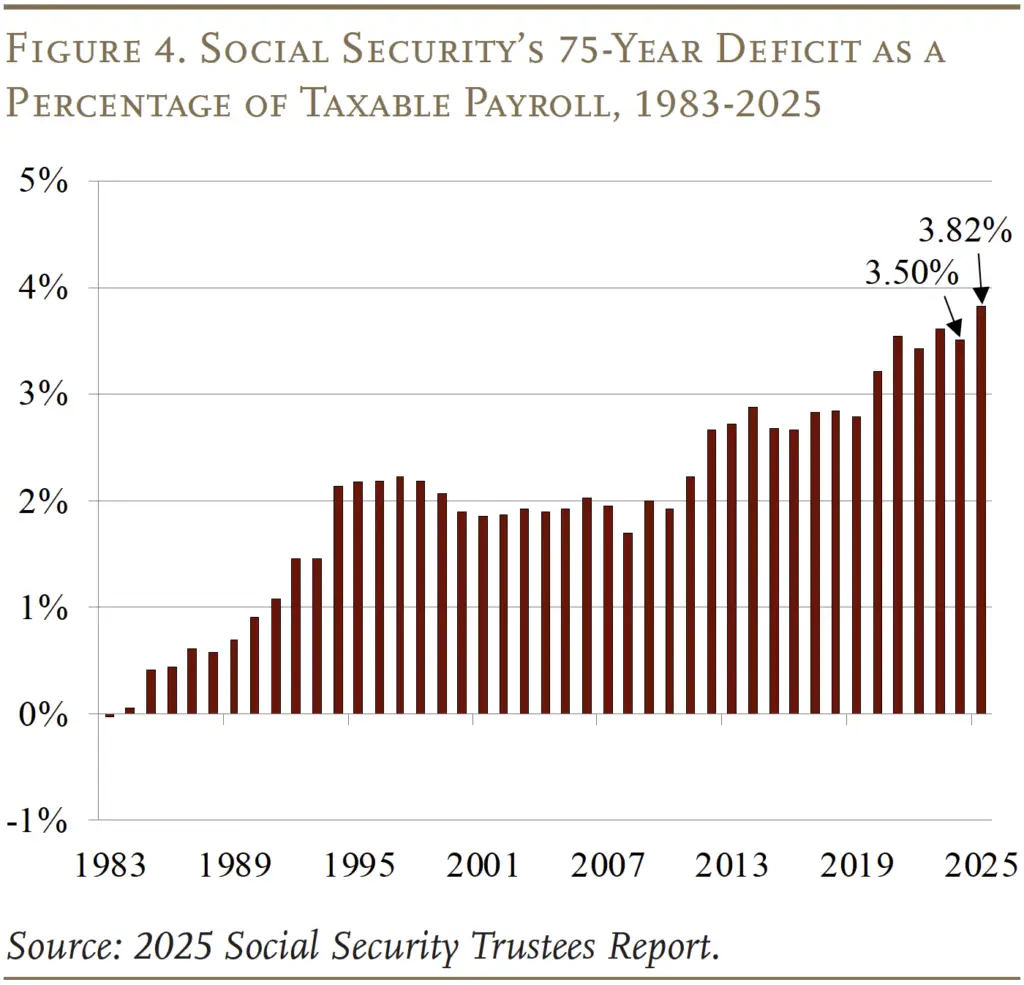
Underlying the current debate is Social Security’s financial outlook. According to official projections, the Old-Age and Survivors Insurance Trust Fund could face depletion in the early 2030s if Congress does not act.
If that occurs, benefits would not disappear, but automatic reductions of roughly 20 percent could take effect. Economists widely agree that earlier intervention would allow for more gradual and less disruptive solutions.
Proposals debated in recent years include:
- Raising or eliminating the payroll tax cap
- Adjusting benefit growth for higher earners
- Gradually increasing the retirement age
- Introducing new revenue sources
None of these proposals has gained sufficient bipartisan support.
Political Reactions and Messaging
Republican allies of President Donald Trump argue that the administration’s actions reflect fiscal responsibility and a commitment to protecting vulnerable beneficiaries, particularly foster youth. Democrats counter that service reductions and administrative tightening amount to “stealth cuts” that disproportionately affect those least able to navigate complex systems.
Public opinion remains divided. Polls consistently show strong bipartisan support for Social Security as a program, but disagreement over how — or whether — to change it.
Impact on Beneficiaries
For current retirees, monthly benefit amounts remain unchanged. However, access to services may become more difficult, particularly for individuals who rely on walk-in offices for assistance with claims, appeals, or disability reviews.
Foster youth stand to benefit directly if states comply with federal guidance and return diverted funds. Advocates say the money can be transformative, especially for young adults aging out of care.
Legal and Legislative Challenges Ahead
Several advocacy organizations are exploring legal challenges to the SSA’s service reductions, arguing they may violate statutory obligations to provide reasonable access. At the same time, lawmakers from both parties have introduced bills aimed at preserving in-person services and addressing long-term funding. Whether any proposal advances in an election-year environment remains uncertain.
Related Links
2026 Social Security Raise: Which Groups Receive the Increased Payment Before Everyone Else?
Florida SNAP Payments for December: Who Gets Benefits This Week?
What Comes Next
For now, Social Security’s structure remains intact, but its administration is changing in ways that could reshape how millions of Americans experience the program. The push involving 39 states underscores federal efforts to enforce benefit protections, while service cutbacks reveal mounting pressure on the system’s capacity.
Absent congressional action, these administrative decisions are likely to define Social Security policy in the near term — even as larger questions about solvency and reform remain unresolved. As one former SSA commissioner put it, “The program is not being dismantled, but it is being tested.”
FAQs About Social Security Reform
Is Social Security being cut nationwide?
No. Benefit levels and eligibility rules remain unchanged by law.
What does the 39-state issue involve?
It concerns state use of foster youths’ Social Security survivor benefits, not retirement benefits.
Can a president reform Social Security alone?
No. Major reforms require congressional legislation.
Will seniors lose access to benefits?
Benefits continue, but access to in-person services may become more limited.