The Coral Triangle, a marine region in the Indo-Pacific, is renowned as one of the most biologically diverse areas on Earth. Spanning the waters of Indonesia, Malaysia, the Philippines, Papua New Guinea, Solomon Islands, and Timor-Leste, this vast oceanic region contains approximately 75% of the world’s known coral species and over a third of all marine fish species.
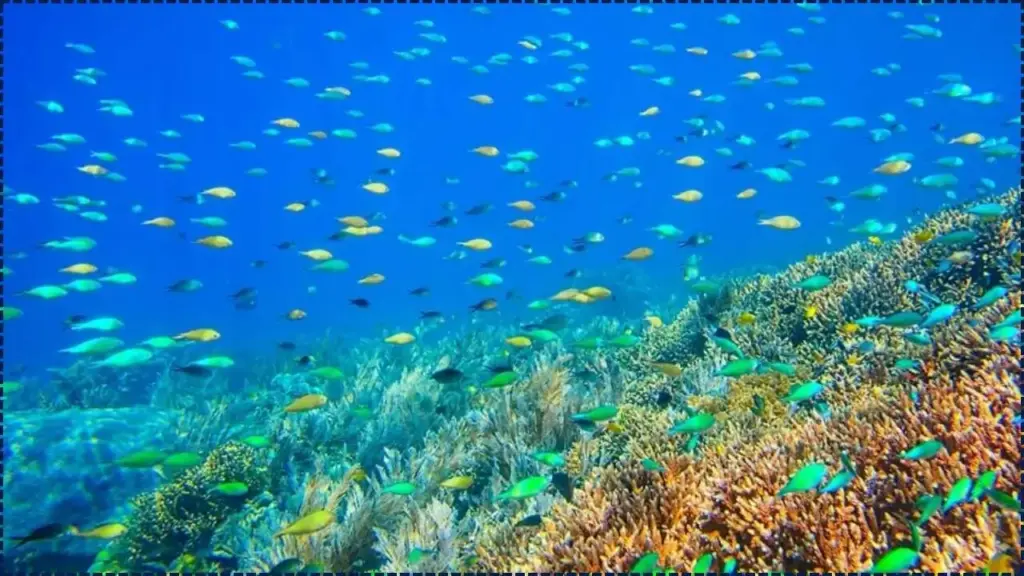
But its biodiversity, while spectacular, is not without its challenges. The Coral Triangle faces mounting threats that could jeopardize its ecosystems—and with them, the livelihoods of millions of people who depend on its resources.
The Secret Ocean Wonder
| Key Fact | Detail/Statistic |
|---|---|
| Total Coral Species | 76% of the world’s known coral species |
| Marine Biodiversity | 37% of all coral reef fish species |
| Human Population Dependent | Over 120 million people rely on its resources |
| Marine Turtle Species | 6 of the world’s 7 marine turtle species |
| Area Size | 6 million square kilometers of ocean |
The Biodiversity Hotspot
The Coral Triangle covers about 6 million square kilometers (2.3 million square miles), which constitutes just 1.5 to 2% of the world’s total ocean area. Despite its small size, the region is home to 76% of the world’s coral species and 37% of all coral reef fish species, including rare and endemic species found nowhere else.
It also sustains six of the seven marine turtle species, and provides critical habitats for countless other marine creatures. This biodiversity is not only a scientific marvel but also supports the lives of over 120 million people who rely on its resources for food, income, and cultural practices. For these communities, the Coral Triangle is an essential part of their identity and well-being.
“The Coral Triangle is a vital global resource, providing food and livelihoods for millions, and is central to maintaining the health of the world’s oceans,” said Dr. Anna Liao, a marine biologist with the Global Ocean Alliance.
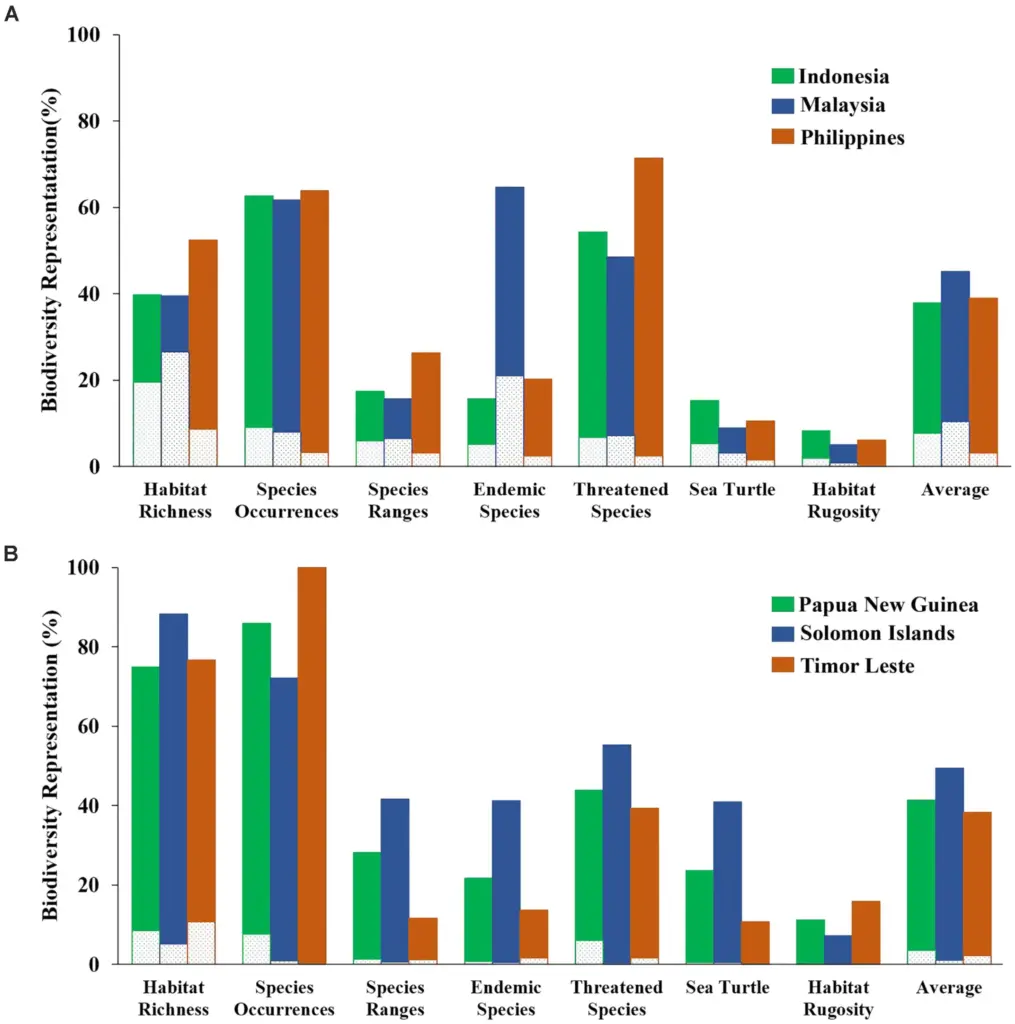
Why is the Coral Triangle So Rich in Biodiversity?
Several factors contribute to the Coral Triangle’s unparalleled marine biodiversity. Its location at the crossroads of the Pacific and Indian Oceans fosters species mixing and evolutionary processes that have led to a highly diverse range of marine life. The region’s geological history, coupled with stable tropical marine conditions over millions of years, has allowed species to evolve and diversify in a way that is not seen in other parts of the world.
The variety of habitats within the Coral Triangle—from coral reefs and seagrasses to mangrove forests—provides numerous niches for different species to thrive, each adapted to the specific environmental conditions found in these ecosystems. As a result, the region boasts not only an abundance of species but also a high degree of endemism, meaning many species exist only in this region.
The Economic and Ecological Value
The Coral Triangle’s economic and ecological significance is immense. Beyond its biological importance, it provides critical services to human communities and the planet at large. Coral reefs play a crucial role in protecting coastal communities from storms and erosion, acting as natural barriers. They also support global food security, with millions of people relying on its fisheries for their livelihoods.
The health of the Coral Triangle is closely linked to global climate regulation. Coral reefs help sequester carbon, and the health of marine ecosystems can influence weather patterns. As the world’s oceans continue to be impacted by climate change, the health of the Coral Triangle will be an indicator of the broader health of global marine systems.
The Threats Facing the Coral Triangle
While the Coral Triangle is a critical resource, it is facing severe environmental threats, many of which are linked to human activities. Climate change is the most pressing issue, with rising ocean temperatures causing coral bleaching.
Coral bleaching occurs when warmer waters force corals to expel the algae living within their tissues, leading to the loss of vibrant colors and nutrients essential for their survival. If bleaching events persist, corals can die, devastating the entire reef ecosystem.
Additionally, ocean acidification, driven by increased carbon dioxide levels, is weakening corals and other marine organisms’ ability to form their calcium carbonate skeletons. This further exacerbates the threat to the region’s biodiversity.
Human activities, particularly overfishing, destructive fishing methods like blast fishing and cyanide fishing, and pollution, are also major contributors to the region’s declining health. Coastal development, often spurred by tourism, has led to the destruction of critical habitats like mangroves and seagrass beds, which play important roles in maintaining the region’s ecological balance.
“The Coral Triangle is on the frontline of climate change and unsustainable fishing practices,” said Dr. Sophie Green, a marine ecologist with the World Wide Fund for Nature (WWF). “If we don’t take action now, we could lose this biodiversity hotspot.”
Efforts to Protect the Coral Triangle
In response to the growing threats, governments and international organizations have initiated various conservation efforts aimed at safeguarding the Coral Triangle. The Coral Triangle Initiative (CTI), a regional cooperation program involving the six countries, is focused on sustainable management of marine resources, tackling overfishing, improving the health of coral reefs, and combating pollution.
The initiative also emphasizes the need for Marine Protected Areas (MPAs) to allow ecosystems to regenerate.
“The Coral Triangle Initiative is a vital step toward creating a collaborative approach to marine conservation across national borders,” said Dr. Liao.
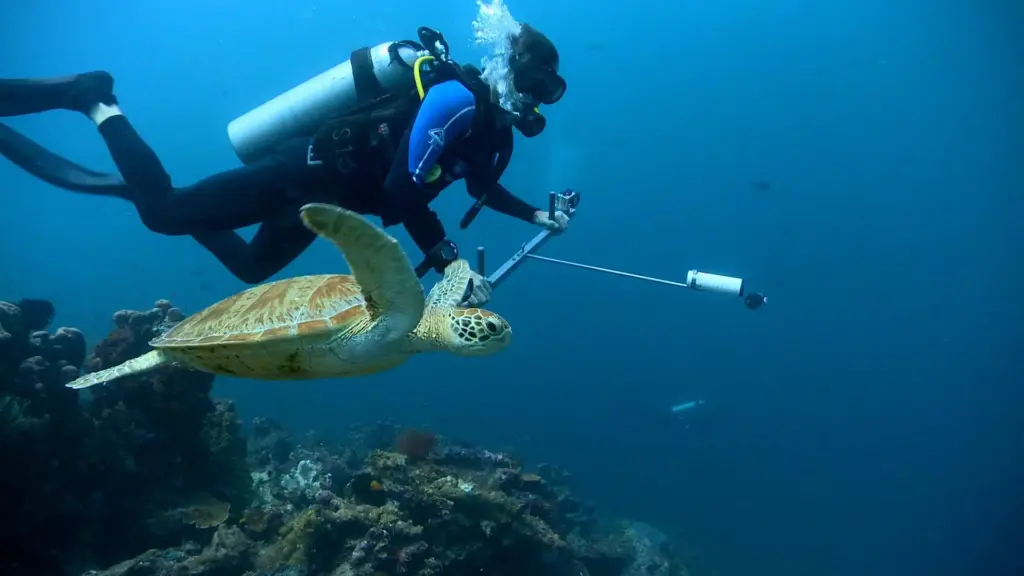
Another key component of conservation efforts is raising awareness among local communities. Many communities in the Coral Triangle rely on fishing as their primary source of income, and teaching them sustainable fishing techniques is essential for long-term preservation.
Eco-tourism, when managed responsibly, has also been a valuable tool for both conservation and local economic development.
Related Links
220 American Airlines Flights Canceled Amid Government Shutdown — See If Your Trip Is Affected
Confirmed – This Rare $100 Bill Becomes the Most Valuable in U.S. History, Worth Over $2 Million
The Role of International Support and Funding
International cooperation has been instrumental in supporting the region’s conservation efforts. Organizations such as WWF, the United Nations, and the Asian Development Bank have provided financial and technical support to governments and local communities.
However, much more needs to be done to secure adequate funding for long-term conservation and ensure that the Coral Triangle remains protected for future generations.
The Future of the Coral Triangle: A Global Responsibility
The decline of the Coral Triangle would have far-reaching consequences not just for the region, but for the entire planet. The health of the Coral Triangle affects global fisheries, ocean health, and even climate regulation. If left unprotected, the loss of its biodiversity could lead to the collapse of ecosystems that millions of people depend on for survival.
“The health of the Coral Triangle is a global issue,” Dr. Green said. “It’s not just about the region itself; it’s about the future of our oceans and the species that depend on them.”
The preservation of the Coral Triangle requires a concerted global effort. Governments, local communities, scientists, and international organizations must work together to protect this irreplaceable ecosystem before it is too late.