Oregon faces a $340 million financial burden as a result of the new Medicaid and food assistance reforms introduced by the Trump administration. This impact stems from tighter eligibility requirements, reductions in federal funding for Medicaid and the Supplemental Nutrition Assistance Program (SNAP), and increased administrative responsibilities for the state.

These changes have profound consequences for Oregon’s budget and the well-being of its most vulnerable residents, forcing state lawmakers to weigh difficult decisions regarding funding and services.
The new rules imposed by the federal government have shifted the responsibility for funding and maintaining these programs to state governments, many of which, like Oregon, are struggling to manage the new financial burden.
With many low-income Oregonians reliant on Medicaid for health care and food assistance programs for their basic nutrition needs, these changes risk exacerbating poverty and health disparities in the state.
Historical Context of Medicaid and SNAP Changes
Medicaid and SNAP have long been cornerstones of the U.S. social safety net, providing health coverage and food assistance to millions of Americans. Historically, the federal government has shouldered a significant portion of the funding for these programs.
However, recent policy shifts under the Trump administration have fundamentally altered this dynamic. In the past, federal assistance for programs like Medicaid and SNAP were designed to ensure that states could offer essential services to their residents without bearing a disproportionate financial burden.
However, the administration’s budgetary changes have resulted in more stringent requirements for eligibility and administrative oversight, shifting more financial responsibility to the states.
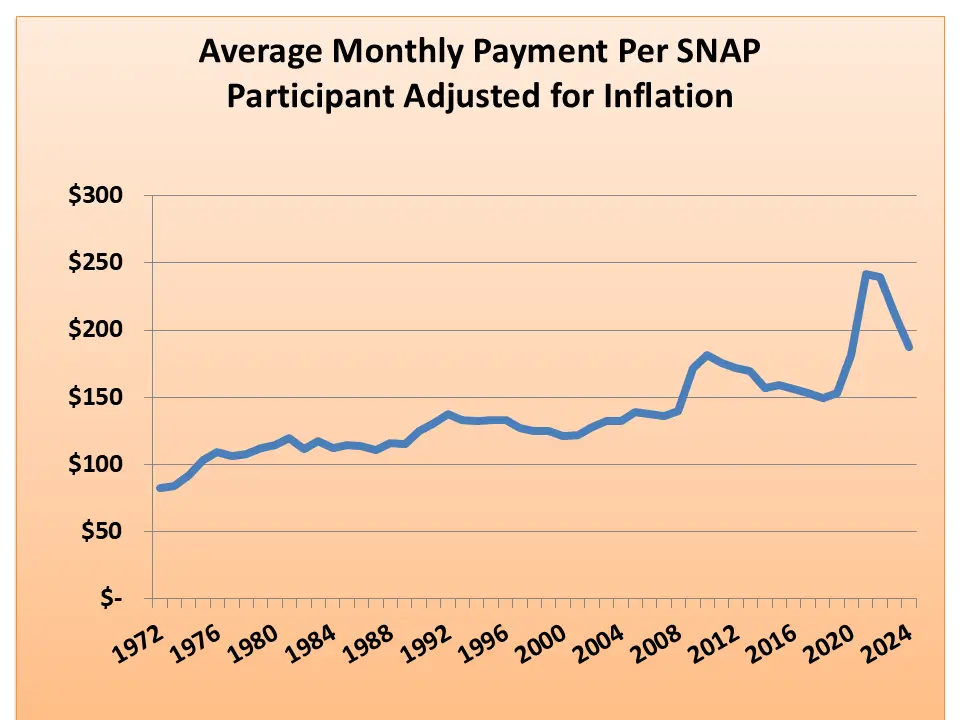
These changes were part of broader attempts to cut government spending and reduce the scope of federal welfare programs, but the results have placed significant strain on state budgets.
Oregon’s $340 Million Cost: A Closer Look
Oregon is among the states most impacted by these changes. The state government estimates that it will need to allocate an additional $340 million to meet the new requirements for Medicaid and SNAP. This figure encompasses the costs of maintaining eligibility, verifying work requirements, and ensuring that eligible individuals continue to receive assistance.
The administrative burden on the state has increased significantly as a result of the stricter rules, and the state now has to bear more of the financial responsibility for its low-income residents. This financial strain will not only affect Medicaid and food assistance but could have broader ramifications for other state programs.
If Oregon is forced to allocate more funds to these federal programs, it could lead to cuts in other vital services like education, transportation, and infrastructure. This will require the state to make tough decisions regarding where to direct its limited resources.
The Impact on Public Health and Vulnerable Populations
The new Medicaid and food aid rules disproportionately impact vulnerable populations, particularly those with low incomes. For many Oregonians, Medicaid is their only access to health care, while food assistance programs are a critical lifeline for families struggling with food insecurity.
With the increased cost burden, the state may be forced to reduce benefits or cut coverage for some individuals, leading to worsening health outcomes and deeper economic hardship. Experts warn that without adequate funding and support, the number of uninsured or underinsured Oregonians will rise, leading to increased reliance on emergency rooms for basic health care services.
Furthermore, food insecurity will likely increase as many individuals lose access to the SNAP benefits they rely on. As a result, the state’s public health infrastructure may be stretched to its limits, with higher rates of preventable health conditions and an increase in hospital admissions.
Voices from the Community: Real-Life Impact
Oregonians who rely on Medicaid and SNAP benefits are already feeling the effects of these changes. Maria Gonzalez, a single mother from Portland, shared her concerns with local reporters: “I depend on Medicaid for my health care and SNAP to feed my children.
If these benefits are cut or reduced, I don’t know what I’ll do. It feels like the government is taking away the support we need to survive.”
For many like Maria, the proposed changes are not just an administrative issue but a matter of survival. As the $340 million cost weighs heavily on the state, it’s clear that these budgetary decisions have far-reaching consequences for Oregon’s most vulnerable residents.
State-Level Responses: Adjusting to the Changes
In response to the added financial pressure, Oregon lawmakers are considering various options to mitigate the impact of these changes. Some are proposing tax increases, while others are exploring the possibility of reallocating funds from other state programs to maintain Medicaid and food assistance funding.
However, there is widespread concern that even these efforts will not be enough to bridge the gap. Oregon Governor Kate Brown has expressed concerns about the sustainability of state-funded health care and food assistance in light of the federal policy changes.
In a statement released last year, she said, “While we are committed to providing essential services to the people of Oregon, the federal government’s decision to shift more of the burden onto states is unfair and unsustainable. We need federal support to ensure that the most vulnerable among us have access to the services they need.”
Broader National Impact: Other States Feel the Strain
Oregon is not alone in facing these new challenges. Other states with large populations of low-income residents are also feeling the strain of these policy changes. States like California, Texas, and New York are projected to face similar financial pressures as they take on more of the cost burden for Medicaid and SNAP programs.
Nationwide, the federal government has reduced spending on these programs, with the aim of reducing the national deficit.
While the reduction in funding may benefit the federal budget, it has placed significant pressure on state governments, forcing them to increase their own contributions to these critical programs. The cost of maintaining these programs could ultimately lead to cuts in other essential services.
Potential Legal Challenges and Policy Recommendations
Given the impact on state budgets and vulnerable populations, several advocacy groups and state officials are exploring legal challenges to the new rules. These challenges could delay the implementation of the changes or force the federal government to reconsider its approach to Medicaid and food assistance funding.
Additionally, experts argue that a more sustainable solution requires collaboration between state and federal governments. Dr. Sarah Thompson, a senior fellow at the Brookings Institution, notes, “In order to ensure that vulnerable populations aren’t left behind, it’s crucial that we maintain a strong federal-state partnership.

This could involve increasing federal support or finding new ways to make the programs more efficient and targeted.”
Related Links
Social Security Age 70 Strategy – How Waiting Can Push Benefits Near $2,500 a Month
IRS Filing Extension Update – Has the Tax Deadline Been Moved? What We Know
Looking Ahead
The $340 million cost facing Oregon is a stark reminder of the challenges that come with federal budgetary cuts and policy changes, particularly when they affect vulnerable populations. While Oregon is actively exploring solutions, it remains to be seen how the state will manage these increased costs and what long-term effects the changes will have on public health and food security.
As Oregon navigates this challenge, it will likely set a precedent for how other states respond to similar fiscal pressures.
Only through careful planning, state-federal cooperation, and a commitment to protecting the most vulnerable residents can Oregon and other states hope to manage the growing burden of these policy changes.