The United States Department of Agriculture (USDA) has identified at least 186000 Supplemental Nutrition Assistance Program (SNAP) accounts across 29 states that appear to be associated with individuals who are listed as deceased. The discovery, confirmed through preliminary federal–state data matching, has prompted a sweeping review of state enrollment systems and intensified scrutiny over program integrity in the nation’s largest food-assistance program.
USDA Flags 186000 SNAP Accounts
| Key Fact | Detail |
|---|---|
| Deceased SNAP accounts flagged | At least 186000 in 29 states |
| Potential duplicate payments | Up to 500,000 cases |
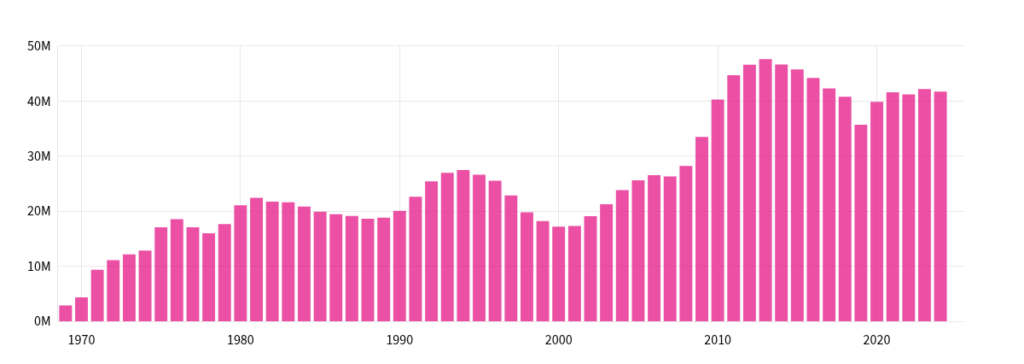
| Total SNAP enrollment (FY 2024) | ~41.7 million people |
| Improper-payment rate (FY 2023) | 9.84% |
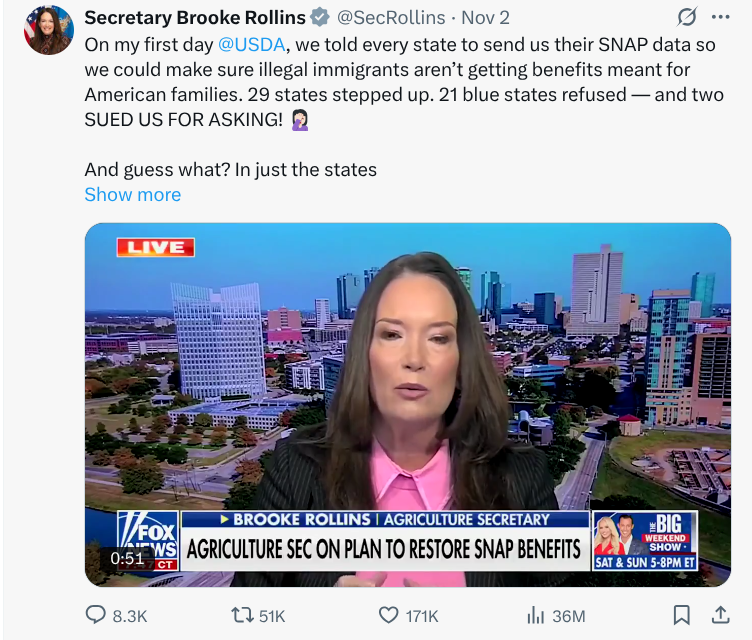
| States required to submit data | All 50 + territories |
The federal review of SNAP enrollment is still in its early stages, and many questions remain unanswered. As states continue examining their records and the USDA prepares additional guidance, both policymakers and households await clarity on the scope of the reforms and their potential impact. Officials say more information will be available in the coming months as the nationwide integrity review progresses.
Scale of the Review and Why It Matters
The identification of 186000 deceased individuals still appearing as active SNAP recipients is one of the largest discrepancies publicly acknowledged by the USDA in recent years. The figure represents only the 29 states that have responded to a federal data request, suggesting the national number could be higher once remaining states provide their records.
SNAP is a federally funded but state-administered program. This structure allows for local flexibility but also creates uneven systems, data gaps, and administrative bottlenecks. According to the USDA’s Economic Research Service, the program served over 41 million people in 2024, and its integrity directly affects federal spending, public trust, and access for low-income families.
Federal Officials Call Numbers “Alarming” but “Fixable”
Agriculture Secretary Brooke Rollins said in publicly reported comments that the agency intends to “clamp down” on discrepancies and conduct a full review of state records.
“This is a serious integrity issue. We owe it to taxpayers and households in need to make sure every dollar is used lawfully,” Rollins said in a recent press briefing.
USDA officials emphasized that not all 186,000 flagged accounts necessarily represent fraud. Some may reflect delayed reporting, slow state processing, or mismatches between federal death data and state enrollment files.
How SNAP Integrity Checks Work — and Why They Fail
SNAP agencies are required by law to regularly verify death records against federal and state databases. However, compliance and technological capacity vary widely.
Causes of discrepancies include:
- Outdated state IT systems unable to process real-time data
- Inconsistent data-sharing agreements between federal agencies and local welfare offices
- Delays in reporting deaths, especially in rural counties
- Multi-state duplicate enrollment among individuals who move or use different addresses
- COVID-era administrative waivers that reduced paperwork requirements
A former USDA program integrity official, speaking on background, said that many states operate “20-year-old systems” that require manual updates.
Historical Context and Comparisons
Concerns about improper payments in SNAP are not new. The Government Accountability Office (GAO) has issued multiple reports warning that inconsistent oversight and outdated systems increase the risk of erroneous payments.
- In FY 2023, SNAP’s improper-payment rate reached 9.84%, driven largely by administrative errors rather than fraud.
- During COVID-19, Congress allowed states to extend certification periods and limit in-person interviews, which helped households but made error detection harder.
- A 2016 GAO study found that several states failed to quickly match death records, leading to isolated but notable improper payments.
What distinguishes the current review is its scale, speed, and federal pressure on states to comply.
State Responses and Challenges
Many states have acknowledged they are still reviewing the USDA’s findings. Administrators cite numerous challenges:
Operational burdens
High caseloads, staffing shortages, and data-migration issues complicate efforts to verify every flagged account.
Budget concerns
States may need to invest in modern IT systems, cloud-based matching tools, or third-party data verification services.
Risk of harming legitimate recipients
Advocacy groups warn that aggressive clean-ups can accidentally remove eligible households, especially:
- Elderly individuals
- People with disabilities
- Limited-English speakers
- Households in rural regions with poor access to county offices
The National Association of Public Human Services Officials (APHSA) urged the USDA to provide “technical support and transition timelines” to prevent unintended disruptions.
Broader Political and Social Implications
The issue arrives at a politically sensitive moment, as lawmakers debate long-term reforms to SNAP and other safety-net programs. Some Republican members of Congress argue the new findings justify stricter eligibility checks, while Democratic lawmakers warn against portraying administrative errors as widespread fraud.
A policy analyst at the Brookings Institution said:
“The data point is significant, but the majority of improper payments in SNAP are due to paperwork errors, not intentional fraud. Policymakers need to differentiate between the two.”
Anti-hunger groups caution that focusing heavily on fraud could increase stigma, discourage participation among eligible families, and justify cuts to benefits.
Economic Stakes for Taxpayers
SNAP cost approximately $99.8 billion in FY 2024. While most funds go directly to food purchases, improper payments impose meaningful costs.
The USDA’s integrity review seeks to:
- Reduce improper payments
- Improve data sharing across states
- Ensure accurate use of Electronic Benefit Transfer (EBT) cards
- Streamline future audits
An economist at the Urban Institute noted that even small improvements in accuracy can save “hundreds of millions annually” across a program of SNAP’s size.
November Payments Set — Government Releases Three Key Deposit Dates for the Month
Technology, Modernization, and the Road Ahead
Many experts argue that long-term stability will require significant modernization:
Needed upgrades include:
- Modern cloud-based case management systems
- Automated real-time death-file matching
- Interstate data-sharing networks
- Improved identity verification tools
Some states have begun moving toward integrated eligibility systems that combine SNAP, Medicaid, and other programs into a single platform.
Potential National Recertification Effort
Secretary Rollins stated recently that all SNAP recipients may eventually be required to reapply, a move that could affect more than 42 million people.
Such a requirement would be unprecedented, and several states have already requested federal guidance on:
- Timelines
- Acceptable documentation
- Implementation costs
- Legal and logistical challenges
Advocates warn that large-scale recertification could overwhelm call centers, create delays, and cause confusion for vulnerable households.
What Happens Next
The USDA is expected to release:
- A second data report summarizing additional state findings
- New compliance guidelines
- Recommendations for data-system modernization
- A timeline for possible nationwide recertification
State agencies will have to balance federal oversight with their responsibility to maintain uninterrupted access to food benefits for households legally eligible.