In a significant move that could disrupt vital food assistance for thousands, the U.S. Department of Agriculture (USDA) has suspended over $129 million in federal funding to Minnesota. This action comes amid ongoing allegations of widespread fraud in state-administered food programs, including the Supplemental Nutrition Assistance Program (SNAP).
The decision has raised serious concerns about the continuity of services for the nearly 440,000 individuals relying on these benefits. The following report explains the context, potential impact, and who is most likely to be affected by the USDA’s funding suspension.
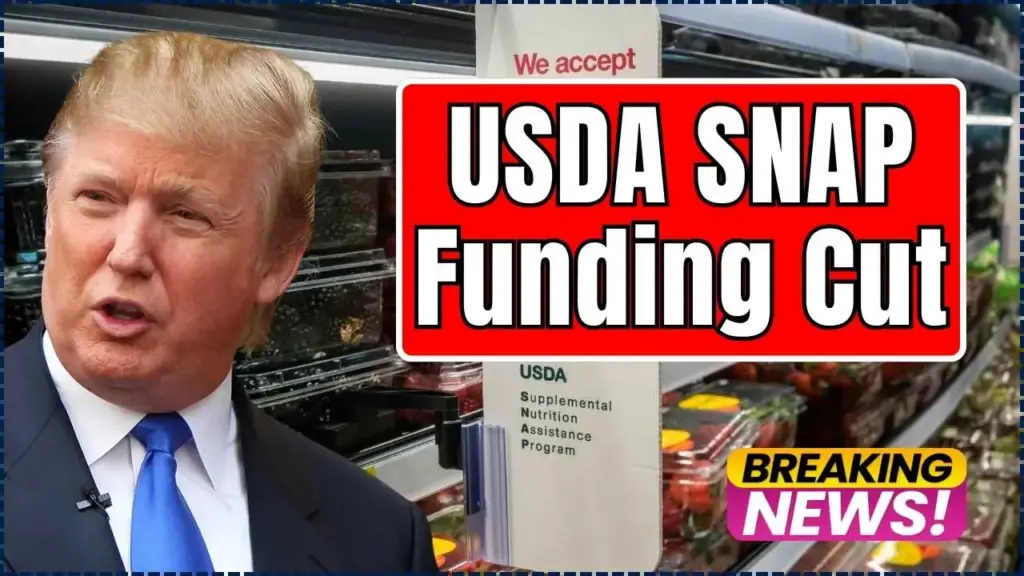
USDA SNAP Funding Cut
| Key Fact | Detail |
|---|---|
| Funding Suspended | $129 million in federal SNAP funding for Minnesota. |
| Minnesota’s SNAP Recipients | Approximately 440,000 people rely on SNAP in Minnesota. |
| Reasons for the Cut | Allegations of fraud, including the Feeding Our Future case. |
| Impacted Populations | Low-income households, including children, seniors, and disabled individuals. |
| State Response | Minnesota seeks emergency court relief to restore funding. |
Background: USDA Suspends Minnesota’s SNAP Funding
The USDA’s decision to suspend significant federal funding for Minnesota’s social service programs, including SNAP, stems from ongoing concerns about the state’s handling of fraud in several welfare programs.
The suspension, announced in early January 2026, directly impacts a wide range of federal assistance programs, but the focus has been on the Feeding Our Future case, a large-scale fraud investigation. According to the USDA, the state has failed to address significant vulnerabilities in its administration of these programs, leading to misuse of federal funds intended for vulnerable populations.
Feeding Our Future was a nonprofit organization in Minnesota that received millions of dollars to distribute food aid to children, but authorities allege that much of the money was funneled into fraudulent schemes. The investigation is ongoing, and the USDA has cited this as the primary reason for withholding federal support.
The Impact on SNAP Benefits
What Is SNAP?
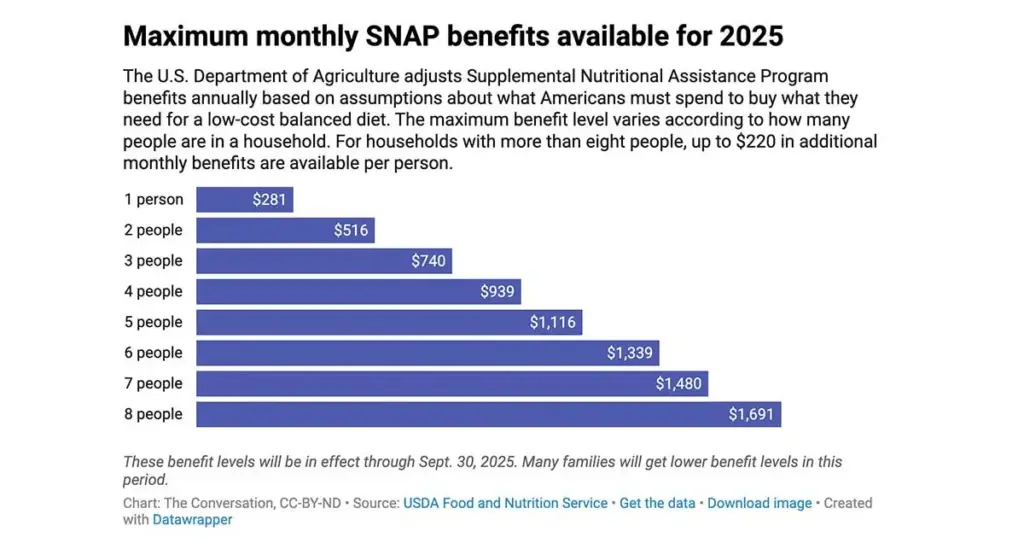
SNAP, often referred to as food stamps, is the United States’ largest federal nutrition assistance program. It provides monthly benefits to low-income individuals and families to help them purchase food.
In Minnesota, approximately 440,000 people rely on SNAP to meet their daily nutritional needs, and these benefits are particularly crucial for children, seniors, and individuals with disabilities who may not have access to other means of support.
The USDA’s action specifically targets administrative and operational funding related to SNAP, rather than the direct food benefits. As such, SNAP benefits will continue to be distributed, but the suspension of federal support could slow the processing of new applications, renewals, and fraud prevention efforts.
How SNAP Benefits Could Be Affected
The suspension of funding could have several effects on how Minnesota operates its SNAP program:
- Delays in Benefits Processing: The Minnesota Department of Human Services (DHS), which oversees SNAP distribution, could experience delays in processing new applications and recertifying existing cases.
- Fraud Prevention Disruptions: Minnesota’s ability to detect and prevent fraudulent activity within the SNAP program may be compromised without the necessary federal funding to support oversight efforts.
- Service Disruptions: The suspension could lead to reduced staff availability or operational capacity at state-run offices, potentially causing backlogs in service delivery and impacting recipients who rely on timely access to benefits.
Who Is Most Likely to Be Affected?
The individuals most at risk are the low-income families and individuals who depend on SNAP benefits to feed themselves and their families. This includes:
- Children and families: Families with young children who depend on food assistance may face delays in receiving benefits, which could directly affect their access to nutritious food.
- Seniors and disabled individuals: Elderly people and those with disabilities are among the most vulnerable to disruptions in SNAP services, as they may have limited mobility and fewer resources to cope with delays.
- Nonprofit organizations and food banks: Local charities and food banks that rely on SNAP benefits to support their own operations may also see an increase in demand, putting further strain on their resources.
Legal Challenges and State Response
Minnesota’s Attorney General, Keith Ellison, has filed a lawsuit seeking an emergency court order to restore the suspended funds. In a statement, Ellison emphasized that the USDA’s decision is unwarranted and would have devastating consequences for families who depend on food assistance.
“This move could disrupt the lives of thousands of Minnesotans, especially children and seniors, who rely on SNAP benefits to eat,” Ellison said. “We are fighting to ensure that the most vulnerable are not left behind.”
The state has called on federal courts to intervene and provide immediate relief, as the suspension threatens to extend beyond the administrative and eligibility processing into actual benefits distribution.
Broader Context: The National Picture
Minnesota’s situation is not unique. Over the past several years, states across the U.S. have faced increasing scrutiny over the administration of their social welfare programs. The USDA’s recent action is part of a broader effort to address fraud in food assistance programs nationwide, particularly in the wake of pandemic-era funding surges that created opportunities for abuse.
In 2020 and 2021, states, including Minnesota, received emergency pandemic-related funding to meet increased demand for food assistance. During this time, allegations of fraud in the SNAP program, as well as in other welfare initiatives, escalated.
Fraudulent claims were often associated with fake businesses or ghost applicants, and some were orchestrated through nonprofit organizations that served as intermediaries for food distribution. Despite efforts by federal and state authorities to clamp down on fraud, these issues persist, with Minnesota’s Feeding Our Future case emerging as one of the most prominent examples.
As fraud investigations unfold, the USDA’s decision to withhold funding aims to ensure that states remain accountable for the proper use of federal resources.
Financial Strain and Broader Economic Impacts
The funding cut not only affects SNAP recipients but could also cause broader economic repercussions for Minnesota’s communities. Many small businesses and grocery stores rely on SNAP benefits as a source of income.
In rural areas, where access to large supermarkets may be limited, local convenience stores often accept SNAP as a primary means of payment. A reduction in the efficient processing of SNAP benefits could result in a decline in spending at these businesses, impacting both the local economy and employment.
Moreover, without administrative funding, state agencies may also face layoffs or reductions in service hours, further exacerbating unemployment and underemployment issues in the area. As the state fights the funding cut in court, the economic toll may continue to grow, particularly in lower-income communities.
Political and Legal Implications
The USDA’s action has sparked a political debate over the proper role of the federal government in overseeing state-administered welfare programs. Minnesota’s Democratic leadership has framed the USDA’s decision as an overreach, arguing that such a sweeping suspension of funds unfairly punishes vulnerable residents.
On the other hand, critics of the state’s management of welfare programs argue that it is the responsibility of the state to ensure accountability and prevent fraud. In addition to the ongoing lawsuit filed by Minnesota, the decision may encourage other states to reconsider how they allocate resources for fraud prevention in welfare programs.
Some legal experts have warned that such actions could set a dangerous precedent, allowing federal agencies to wield broad powers to suspend funding without due process or adequate opportunity for state-level reform.
What’s Next for Minnesota’s SNAP Program?
As the legal battle over the USDA’s decision continues, Minnesota residents remain uncertain about the future of their SNAP benefits. The state’s legal team is pushing hard for an expedited ruling, and officials are calling for immediate restoration of funds to ensure that vulnerable populations do not face further hardship.
At the national level, the USDA’s actions highlight the continuing tension between ensuring program integrity and providing essential services to those in need. The outcome of this case could set important precedents for how states handle welfare program funding and how they address issues of fraud in the future.
Related Links
AT&T Settlement Payments 2026 – Official Timeline for $7,500 Checks and Who Qualifies
Class-Action Settlements 2025 – Top 10 Cases That Pushed Total Payouts Past $70 Billion
Navigating Uncertainty
For now, Minnesota’s SNAP recipients can breathe a sigh of relief that their monthly benefits will continue, but with mounting concerns about the disruptions in eligibility processing, fraud prevention efforts, and the potential delays in future payments, the situation remains volatile.
As Minnesota’s legal case unfolds, the rest of the country will be watching closely, as the USDA’s decision could serve as a model—or a warning—for how future funding suspensions might affect vulnerable populations.
FAQs About USDA SNAP Funding Cut
1. Will Minnesota’s SNAP recipients still get benefits?
Yes, food benefits will continue to be distributed. However, delays in processing applications or recertifications are possible due to the suspension of operational funding.
2. How long will the funding suspension last?
The duration of the suspension depends on the outcome of the legal challenges Minnesota is pursuing. If successful, funding could be restored quickly.
3. What is the Feeding Our Future fraud case?
It is a large-scale fraud investigation involving misappropriated federal funds meant for child nutrition programs in Minnesota. The USDA’s decision follows ongoing investigations into this case.