
Wells Fargo $325 checking bonus promotions are drawing attention as the bank seeks to attract new customers through cash incentives tied to direct deposit activity. The offer applies to new consumer checking accounts, requires a minimum level of qualifying deposits within a defined period, and is scheduled to expire in early 2026, according to the bank’s stated terms.
Wells Fargo $325 Bonus
| Key Item | Details |
|---|---|
| Bonus Amount | $325 cash |
| Eligible Account | Consumer Everyday Checking |
| Deposit Requirement | At least $1,000 in qualifying direct deposits |
| Timeframe | Within 90 days of account opening |
| Bonus Payment | Typically within 30 days after requirements are met |
| Expiration | Early 2026 |
How the Wells Fargo $325 Checking Bonus Works
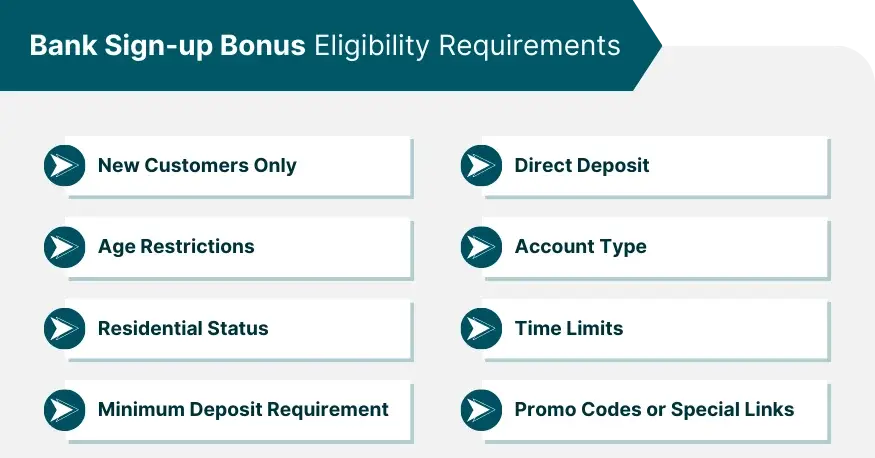
The Wells Fargo $325 checking bonus is structured as a conditional reward aimed at encouraging new customers to establish consistent financial activity with the bank. At its core, the promotion requires two actions: opening an eligible consumer checking account and completing a minimum level of qualifying direct deposits within a defined timeframe.
To begin, applicants must be new consumer customers, meaning they cannot already hold a qualifying Wells Fargo checking account. After opening the account, customers are typically given a 90-day window to receive at least $1,000 in qualifying electronic deposits. These deposits must arrive through recognized electronic payment systems, which are designed to support payroll and benefit transfers.
The bank generally distinguishes between qualifying direct deposits and other forms of account funding. Qualifying deposits usually include wages paid by an employer, government benefits, or pension payments initiated by an external organization. Deposits initiated by the customer, such as manual transfers from another personal account or cash deposits, typically do not meet the criteria.
Once the deposit threshold is met and verified, the bonus is credited to the account after an additional processing period. This delay allows the bank to confirm that all promotional conditions have been satisfied.
Why Banks Offer Cash Bonuses
Cash bonuses for checking accounts have become a prominent feature of the U.S. retail banking landscape. Unlike savings account interest rates, which fluctuate with broader economic conditions, bonuses provide banks with a predictable acquisition tool.
For banks, direct deposits represent more than incoming funds. They signal behavioral commitment. Customers who route paychecks into an account are statistically more likely to maintain balances, use debit cards, pay bills electronically, and remain with the institution for longer periods.
From a business perspective, bonuses are often treated as marketing expenses. Banks calculate that the long-term revenue generated from account usage can outweigh the upfront cost of the incentive. This calculation includes interchange fees, potential lending relationships, and cross-selling opportunities.
Wells Fargo’s use of a $325 bonus places it among institutions competing aggressively for primary checking relationships, particularly in an environment where consumers can easily switch banks using digital tools.
Account Fees and Cost Considerations
While the bonus itself is straightforward, the associated checking account often includes a monthly maintenance fee. This fee structure is common across large retail banks and reflects the cost of maintaining branch networks, customer service operations, and digital platforms.
The fee is typically waived if customers meet certain conditions, such as maintaining a minimum daily balance or receiving recurring electronic deposits each month. However, failure to meet these conditions can result in recurring charges that reduce the net value of the bonus.
Consumer finance experts frequently caution that bonuses should not be evaluated in isolation. A $325 incentive may lose its appeal if offset by months of account fees, overdraft charges, or other service costs.
For customers with irregular income or fluctuating balances, the risk of incurring fees may be higher. In such cases, the bonus functions less as a reward and more as a short-term incentive with potential long-term costs.
Tax Implications on Wells Fargo $325 Bonus
Checking account bonuses are generally treated as taxable income under U.S. tax rules. Unlike credit card rewards tied to spending, bank bonuses are considered interest or promotional income.
Banks typically report the value of the bonus to tax authorities, and customers may receive a tax form reflecting the amount received. This income must be reported on federal tax returns, and in some cases, state tax filings as well.
The after-tax value of the bonus depends on the recipient’s tax bracket. For higher-income individuals, the net benefit may be reduced by income taxes, while lower-income recipients may retain more of the bonus.
Financial planners often advise customers to consider tax implications alongside fees and account requirements when evaluating promotional offers.
How This Offer Compares in the Market
The Wells Fargo $325 bonus exists within a crowded field of bank promotions. Large national banks, regional institutions, and online-only banks all compete for new checking customers using variations of cash incentives.
Some competitors offer higher bonuses but require larger direct deposit amounts. Others provide smaller incentives with fewer conditions. Online banks may eliminate monthly fees entirely but lack physical branch access.
Wells Fargo’s offer reflects a middle-ground approach. The deposit requirement is relatively modest compared to some high-end promotions, while the bonus amount exceeds many entry-level offers. The presence of physical branches may appeal to customers who value in-person banking, while digital tools cater to those who prefer online management.
Ultimately, the competitiveness of the offer depends on individual preferences rather than the bonus amount alone.
Who May Benefit Most From Wells Fargo $325 Bonus
The promotion is most likely to benefit individuals who are already planning to change banks or open a new checking account for practical reasons. These customers can integrate the bonus into an existing financial decision rather than restructuring their finances solely to qualify.
Employees with stable payroll income, retirees receiving pension payments, or individuals receiving government benefits may find it easier to meet the deposit requirements. Customers who maintain consistent balances are also better positioned to avoid monthly fees.
By contrast, individuals with variable income, frequent overdrafts, or limited banking activity may find the conditions challenging. For these customers, the bonus may introduce complexity without delivering lasting value.
Consumer Behavior and Psychological Incentives
Behavioral finance research suggests that cash bonuses can influence decision-making disproportionately relative to their long-term value. A one-time payment may feel more significant than ongoing fees or structural limitations.
Banks rely on this effect when designing promotions. The upfront reward captures attention, while the fine print requires careful review to assess the true cost-benefit balance.
Consumer advocates encourage individuals to read promotional disclosures carefully and calculate the net value of any incentive before committing.
Regulatory and Compliance Context
Promotions like the Wells Fargo $325 bonus operate within a regulated banking environment. Federal and state regulations require banks to disclose terms clearly, avoid misleading advertising, and report promotional income accurately.
Banks also retain the right to modify or discontinue offers, provided they comply with disclosure requirements. This flexibility allows institutions to adjust marketing strategies in response to economic conditions or competitive pressures.
Customers are generally protected by consumer banking regulations, but responsibility remains with the individual to understand eligibility criteria and deadlines.
Rayus Radiology Settlement 2025: What the Website Tracking Lawsuit Was About
What Happens Next After Wells Fargo $325 Bonus
The promotion is scheduled to expire in early 2026, though timelines may change. Customers must typically complete all qualifying actions before the stated deadline to remain eligible.
As expiration approaches, banks often see increased application volume, which can lead to processing delays. Prospective applicants may benefit from planning deposit timing well in advance to avoid missing qualification windows.
Wells Fargo, like other banks, reserves discretion in administering the promotion according to its published terms.
Final Context
Checking account bonuses such as this one highlight ongoing competition in the U.S. retail banking sector. For some consumers, the Wells Fargo $325 checking bonus represents a meaningful incentive that complements an existing banking need. For others, the conditions and costs may outweigh the short-term reward.
The ultimate value of the offer depends not on the headline figure, but on how well it aligns with a customer’s broader financial habits and long-term banking goals.