West Virginia’s executive budget proposal for the upcoming fiscal year includes a $13.5 million increase for the Supplemental Nutrition Assistance Program (SNAP), a move state officials say is designed to address rising administrative expenses rather than expand food benefits. The proposal now moves to the Legislature, where lawmakers will debate whether the additional funding is necessary to sustain program operations amid competing budget demands.
West Virginia SNAP Budget Update
| Key Fact | Detail | Why It Matters |
|---|---|---|
| Proposed Increase | $13.5 million for SNAP administration | Covers higher state costs without changing benefits |
| Benefit Impact | No increase to monthly SNAP payments | Families receive the same benefit levels |
| Primary Use of Funds | Staffing, eligibility processing, system operations | Helps prevent delays or service disruptions |
| Legislative Status | Under review during budget negotiations | Funding not guaranteed until final approval |
| Affected Population | Hundreds of thousands of West Virginians | Includes children, seniors, and working families |
What the $13.5 Million SNAP Increase Covers
The proposed increase in SNAP funding is directed entirely toward administrative costs, not direct food assistance. These costs include hiring and retaining caseworkers, maintaining eligibility systems, processing applications and renewals, and ensuring compliance with federal requirements.
SNAP operates through a shared federal–state structure. While the federal government funds most benefit payments, states are responsible for running the program. That responsibility includes staffing local offices, training workers, maintaining technology systems, and responding to audits and oversight requirements.
State budget officials say these administrative expenses have grown steadily, driven by higher labor costs, technology upgrades, and increased complexity in eligibility verification. The proposed $13.5 million increase is intended to close a projected funding gap and allow the state to continue operating SNAP at current service levels.
Why Administrative Funding Matters
Although administrative spending often draws less public attention than benefit levels, experts say it plays a crucial role in determining whether assistance actually reaches eligible households.
When administrative funding falls short, states can experience longer processing times, higher error rates, and backlogs in application reviews. In extreme cases, households may wait weeks or months for benefits, even when they qualify under program rules.
For families living close to the poverty line, such delays can lead to food shortages, increased reliance on food banks, or difficult tradeoffs between groceries and other essentials such as rent or utilities. State officials argue that stable administrative funding helps prevent these outcomes by ensuring the system functions as intended.
SNAP’s Role in West Virginia
SNAP is one of the most widely used safety net programs in West Virginia, reflecting the state’s economic challenges and high rates of food insecurity. The program serves a broad population that includes working adults with low wages, children, older adults on fixed incomes, and individuals with disabilities.
In many rural areas, SNAP plays an outsized role. Limited access to jobs, healthcare, and transportation can make food insecurity more severe in remote communities. SNAP benefits help stabilize household food budgets and support local grocery stores that might otherwise struggle to remain open.
Economists note that SNAP spending also has a multiplier effect, as benefits are spent quickly at local retailers. This can support jobs and tax revenue, particularly in small towns where economic activity is limited.
Historical Context: How SNAP Funding Has Evolved
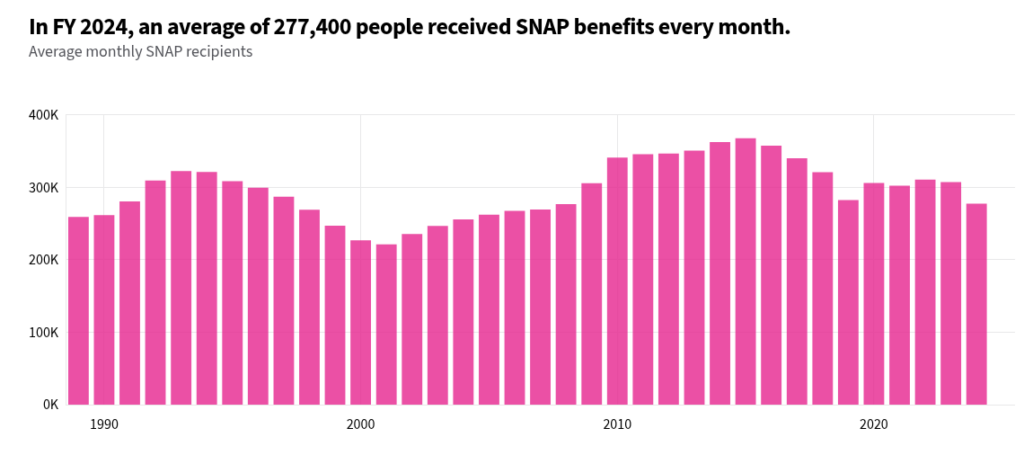
Over the past several decades, SNAP has undergone repeated changes in structure, funding, and oversight. Economic downturns typically lead to higher enrollment, while periods of growth often reduce participation but do not eliminate underlying needs.
Administrative funding has not always kept pace with these fluctuations. As enrollment rises, states must process more applications and manage larger caseloads, often without proportional increases in staffing or technology funding.
West Virginia officials say the current proposal reflects a recognition that maintaining program integrity and access requires sustained investment, even when benefit levels remain unchanged.
Legislative Debate and Fiscal Concerns
The proposed SNAP funding increase enters a legislative environment shaped by tight budget constraints and competing priorities. Lawmakers must weigh the request against other needs, including education funding, healthcare services, infrastructure maintenance, and public safety.
Some legislators have expressed caution about expanding state obligations tied to federally authorized programs. They argue that increasing administrative spending could strain future budgets if federal requirements continue to shift.
Others counter that failing to fund SNAP administration adequately could create higher costs down the line. Processing errors, federal penalties, or emergency interventions can be more expensive than steady, predictable investment.
What the Proposal Does Not Do
State officials have emphasized that the $13.5 million increase does not raise SNAP benefit amounts. Monthly assistance levels are determined by federal formulas that account for household size, income, and expenses.
The proposal also does not change eligibility rules, work requirements, or program structure. Any such changes would require federal action or separate state legislation.
By drawing this distinction, officials aim to clarify that the funding request is focused on operational stability rather than policy expansion.
Administrative Mechanics: Where the Money Goes
Administrative SNAP funding is typically allocated across several core functions. A significant portion supports frontline staff who process applications, conduct interviews, and manage ongoing cases. High turnover in these roles can lead to delays and errors, making competitive compensation and training essential.
Another portion funds technology systems used to verify income, residency, and household composition. Modernizing these systems can reduce fraud and improve efficiency, but upgrades require upfront investment.
Finally, administrative funding supports oversight and compliance activities, including audits and reporting. These functions ensure that SNAP operates within federal guidelines and that benefits reach eligible recipients.
What Happens Next
The Legislature will continue reviewing the SNAP funding proposal as part of broader budget negotiations. Committees are expected to analyze revenue forecasts, agency requests, and long-term fiscal projections before making recommendations.
Budget discussions may result in amendments that adjust the proposed amount, reallocate funds from other programs, or impose conditions on how the money is spent. Final approval will come through passage of the state budget bill.
Until then, SNAP administrators and advocacy organizations are monitoring the process closely, emphasizing the importance of uninterrupted program operations.
Social Security Age 70 Strategy – How Waiting Can Push Benefits Near $2,500 a Month
Looking Ahead
As budget negotiations continue, the debate over SNAP funding highlights broader questions about how states balance fiscal responsibility with social support obligations. For West Virginia, the outcome will shape not only the administration of SNAP but also the reliability of a program that many families depend on to meet basic nutritional needs.
Lawmakers are expected to finalize the budget in the coming weeks, setting the course for SNAP operations in the next fiscal year and signaling how the state approaches the growing cost of administering essential public assistance programs.
FAQs About West Virginia SNAP Budget Update
Will SNAP benefits increase if this funding is approved?
No. The proposal covers administrative costs only and does not change benefit amounts.
Why does the state need more money for SNAP administration now?
Rising staffing, technology, and compliance costs have increased the state’s financial responsibility for running the program.
Could SNAP services be affected if the funding is not approved?
Officials say underfunding could lead to processing delays or operational challenges, even if benefits remain authorized.
Does this proposal expand SNAP eligibility?
No. Eligibility rules remain unchanged.